ABSTRACT
Indonesia is the world’s fourth-largest coffee producer, with a diverse array of region-specific coffee profiles increasingly protected through Geographical Indications (GIs). This review synthesizes recent research (2018–2026) on the implementation of GIs in the Indonesian coffee sector, examining their role in legal protection, rural development, and sustainable value creation. Despite a robust legal framework and 60 registered coffee GIs, evidence indicates a persistent gap between policy intent and on-the-ground impacts. While GIs can enhance market differentiation, strengthen cultural identity, and offer price premiums, smallholder farmers often face barriers to adoption, inequitable value distribution, and weak institutional support. Key challenges include low farmer compliance, governance fragmentation, authentication difficulties, and limited market recognition. The review concludes that realizing the full potential of GIs requires an integrated strategy combining policy harmonization, technological innovation for traceability, farmer-centric capacity building, strategic market promotion, and inclusive multi-stakeholder collaboration. These insights offer actionable recommendations for policymakers and stakeholders in Indonesia and the wider Asia-Pacific region seeking to leverage origin-based labeling for sustainable agricultural development.
Keywords: Geographical Indication (GI), Indonesian coffee, sustainable agriculture, rural development, smallholder farmers
INTRODUCTION
Indonesia stands as one of the world’s leading coffee producers, ranking fourth globally in total output (Ashardiono & Trihartono, 2024). The archipelago’s diverse agro-ecological regions, which span Sumatra, Java, Sulawesi, Bali, Nusa Tenggara, and Papua, give rise to a wide variety of coffee profiles, including the globally recognized Arabica, Robusta, and Liberica varieties. This geographical and botanical diversity has positioned Indonesian coffee as a significant contributor to the national economy and a key commodity in international trade (Damayanti & Setiadi, 2019).
In recent decades, Geographical Indications (GIs) have emerged as a critical intellectual property tool to protect and promote products whose qualities are intrinsically linked to their place of origin (Waspiah et al., 2024). For agricultural commodities such as coffee, GIs serve not only as a legal marker of authenticity but also as a strategy for rural development, aiming to enhance farmer livelihoods, preserve local knowledge, and strengthen market differentiation (Rahmah, 2020). Indonesia has actively adopted this framework, with 60 coffee products registered under the national GI system as of 2025 (Directorate General of Intellectual Property [DGIP], 2025), ranging from the early-certified Kopi Arabika Kintamani Bali in 2007 to recent registrations such as Kopi Robusta Sungai Penuh (2024).
However, the proliferation of certifications has not uniformly translated into tangible benefits for smallholder farmers, who constitute the backbone of Indonesia’s coffee sector (Neilson et al., 2018). Studies indicate persistent challenges in GI implementation, including low farmer adoption rates, weak enforcement mechanisms, and limited value capture at the producer level (Ihsaniyati & Setyowati, 2022; Suryahartati et al., 2023). Furthermore, the integration of GIs into broader national and international policy frameworks, such as the Indonesia–European Union Comprehensive Economic Partnership Agreement (IEU-CEPA), presents both opportunities and compliance burdens, particularly for micro and small enterprises (Ardelia, 2026).
This review article synthesizes contemporary research on Indonesian coffee GIs to examine the interplay between legal protection, socio-economic impact, and sustainable development. Drawing on empirical, legal, and policy-oriented studies published between 2018 and 2026, it aims to: (1) outline the evolving legal and institutional landscape of GIs in Indonesia; (2) assess the socio-economic outcomes for coffee farmers and communities; (3) identify key barriers to effective GI implementation; and (4) propose integrated strategies for enhancing the sustainability and equity of the GI system. By situating Indonesia’s experience within the wider Asia-Pacific context, this review seeks to inform policymakers, industry stakeholders, and researchers interested in the role of origin-based labeling in sustainable agricultural development.
LEGAL FRAMEWORK AND GI LANDSCAPE IN INDONESIA
The protection of Geographical Indications in Indonesia is anchored in Undang-Undang Nomor 20/2016 tentang Merek dan Indikasi Geografis (Law No. 20/2016 concerning Trademarks and Geographical Indications), which provides the foundational legal mechanism for registration, enforcement, and dispute resolution (Sa’adiya et al., 2026). This legislation aligns Indonesia with international obligations under the Trade-Related Aspects of Intellectual Property Rights (TRIPS) Agreement, which mandates member states to protect GIs as a form of intellectual property (Medina & Enggriyeni, 2023; Podungge, 2025). The Directorate General of Intellectual Property (DGIP) under the Ministry of Law and Human Rights serves as the national registrar and supervising body, overseeing the application and certification process.
In practice, GI governance involves multiple actors, including local governments, producer associations, and Masyarakat Perlindungan Indikasi Geografis (MPIG), which are community groups tasked with maintaining quality standards and ensuring compliance with the GI’s Code of Practice (Laksono et al., 2021; Waspiah et al., 2020). The system is designed to be participatory, yet studies note that top-down approaches often dominate, with limited meaningful engagement from smallholder farmers (Quiñones-ruiz et al., 2020; Suryahartati et al., 2023).
As of 2025, Indonesia has registered 60 coffee GIs across its archipelago (see Table 1), with the earliest certification granted to Kopi Arabika Kintamani Bali in 2007 and the most recent to Kopi Robusta Sungai Penuh in 2024. As visualized in Figure 1, the geographical distribution shows a strong concentration in western Indonesia, particularly in Sumatra (24 GIs) and Java (20 GIs), while regions such as Kalimantan and Papua remain underrepresented. Arabica varieties dominate the GI registry (32 entries), reflecting both market preference and governmental promotion of high-value specialty coffee (Ashardiono & Trihartono, 2024). Robusta accounts for 26 GIs, with Liberica (3 GIs) and Excelsa (1 GI) making minimal appearances.
Internationally, Indonesia’s GI system is increasingly influenced by trade agreements and foreign regulations. The recent Indonesia–European Union Comprehensive Economic Partnership Agreement (IEU-CEPA), signed in 2025, offers tariff-free access to the EU market for 95% of Indonesian products but imposes stringent standards related to traceability, sustainability, and certification, such as the European Union Deforestation Regulation (EUDR) (Ardelia, 2026). This creates both an opportunity for premium market entry and a compliance challenge for small-scale coffee producers, who often lack the technical and financial capacity to meet such requirements.
Moreover, despite a robust legal framework, enforcement remains inconsistent. Cases of misuse, mislabeling, and blending of GI coffee persist, undermining the credibility and economic potential of the certification (Samosir et al., 2026; Sitepu, 2018). The lack of a centralized, accessible authentication system further complicates monitoring and verification efforts, pointing to a gap between legal provision and practical implementation.
In summary, while Indonesia has established a comprehensive legal and institutional architecture for GI protection, its effectiveness is mediated by governance challenges, uneven regional adoption, and evolving international trade dynamics. The next section examines how this framework translates, or fails to translate, into tangible socio-economic benefits for coffee farming communities.
Table 1. Indonesia coffee Geographical Indications
|
Region
|
Province
|
GI name (year)
|
|
Sumatra
|
Aceh
|
Kopi Arabika Gayo (2009)
|
|
North Sumatra
|
Kopi Arabika Sumatera Simalungun (2014), Kopi Arabika Sumatera Mandailing (2015), Kopi Arabika Sumatera Lintong (2017), Kopi Arabika Sipirok (2018), Kopi Arabika Pulo Samosir (2018), Kopi Robusta Sidikalang (2018), Kopi Arabika Tanah Karo (2018), Kopi Arabika Tapanuli (2020), Kopi Arabika Toba (2020), Kopi Arabika Sumatera Pakpak Simsim (2023)
|
|
Riau
|
Kopi Liberika Rangsang Meranti (2014_
|
|
Jambi
|
Kopi Liberika Tungkal Jambi (2013), Kopi Arabika Sumatera Koerintji (2015), Kopi Robusta Sumatera Merangin (2020), Kopi Robusta Sungai Penuh (2024)
|
|
Bengkulu
|
Kopi Robusta Kepahiang (2018), Kopi Robusta Rejang Lebong Bengkulu (2019)
|
|
South Sumatra
|
Kopi Robusta Semendo (2014), Kopi Robusta Empat Lawang (2015), Kopi Robusta Pagar Alam (2020), Kopi Robusta Lahat (2021), Kopi Robusta Ogan Komering Ulu Selatan (2021)
|
|
Lampung
|
Kopi Robusta Lampung (2013)
|
|
Java
|
West Java
|
Kopi Arabika Java Preanger (2012), Kopi Robusta Java Bogor (2018), Kopi Arabika Java Sulapura Tasikmalaya (2021), Kopi Robusta Java Sanggabuana Karawang (2023)
|
|
Central Java
|
Kopi Arabika Java Sindoro-Sumbing (2013), Kopi Robusta Temanggung (2015), Kopi Arabika Pegunungan Dieng Banjarnegara (2021), Kopi Robusta Gunung Kelir Semarang (2022), Kopi Arabika Merapi Merbabu Magelang (2022), Kopi Arabika Java Semarang (2024)
|
|
DI Yogyakarta
|
Kopi Robusta Merapi Sleman (2023)
|
|
East Java
|
Kopi Arabika Java Ijen-Raung (2013), Kopi Robusta Pasuruan (2018), Kopi Arabika Hyang Argopuro (2020), Kopi Arabika Pasuruan (2022), Kopi Excelsa Jombang (2022), Kopi Robusta Java Argopuro Jember (2022), Kopi Robusta Java Raung Gumitir Jember (2022), Kopi Robusta Java Banyuwangi (2023)
|
|
Kalimantan
|
West Kalimantan
|
Kopi Liberika Kayong Utara (2022)
|
|
Bali
|
Bali
|
Kopi Arabika Kintamani Bali (2007), Kopi Robusta Pupuan Bali (2016)
|
|
Nusa Tenggara
|
West Nusa Tenggara
|
Kopi Robusta Tambora (2016), Kopi Arabika Sembalun Lombok (2023), Kopi Robusta Batulanteh Sumbawa (2024)
|
|
East Nusa Tenggara
|
Kopi Robusta Tambora (2016), Kopi Arabika Sembalun Lombok (2023), Kopi Robusta Batulanteh Sumbawa (2024)
|
|
Sulawesi
|
North Sulawesi
|
Kopi Arabika Minahasa (2020)
|
|
Gorontalo
|
Kopi Robusta Pinogu (2014)
|
|
Soth Sulawesi
|
Kopi Arabika Kalosi Enrekang (2012), Kopi Arabika Toraja (2012), Kopi Arabika Seko Luwu Utara (2022), Kopi Arabika Bantaeng (2022), Kopi Arabika Rumbia Jeneponto (2022)
|
|
Papua
|
Papua
|
Kopi Arabika Baliem Wamena (2017)
|
Source: Directorate General of Intellectual Property [DGIP] (2025)
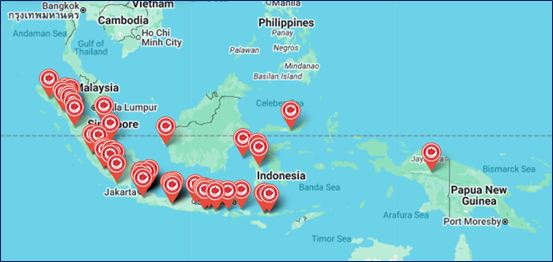
Figure 1. Indonesia coffee geographical indications distribution
Source: Directorate General of Intellectual Property [DGIP] (2025)
SOCIO-ECONOMIC IMPACTS AND VALUE CAPTURE
The implementation of Geographical Indications in the Indonesian coffee sector is fundamentally motivated by the expectation of socio-economic improvement for rural communities. In theory, GIs are designed to create market differentiation, enhance product reputation, and enable price premiums that directly benefit producers (Rahmah, 2020). In practice, however, the distribution of these benefits is uneven, mediated by supply chain structures, governance models, and local capacity.
Economic benefits and market differentiation
Certified GI coffees often command higher prices compared to their non-certified counterparts. For instance, Kopi Arabika Gayo has seen increased export value and strengthened brand recognition in international specialty markets following its GI registration in 2009 (Damayanti & Setiadi, 2019). Similarly, Kopi Toraja and Kopi Kintamani have leveraged their GI status to access niche markets in Europe, Japan, and the United States of America, where origin-based labeling resonates with quality-conscious consumers (Sitepu, 2018). This market differentiation is particularly valuable in a global coffee trade often characterized by commodity price volatility (Rahmah, 2020).
Consumer studies indicate a growing preference for certified single-origin coffees in both domestic and international markets. Research in North Sumatra, for example, found that consumers prioritize taste profile and origin authenticity, with Sidikalang Robusta among the most preferred GI varieties (Pane & Khaliqi, 2022). This suggests that GI labeling can enhance product appeal and justify price premiums, provided that quality and authenticity are consistently maintained.
Social and cultural value
Beyond economics, GIs contribute to the preservation of cultural heritage and the strengthening of local identity. The recognition of coffee-growing regions such as Temanggung, Gayo, and Toraja through GI certification fosters regional pride and reinforces the link between product, place, and people (Neilson et al., 2018; Trihartono & Ladiqi, 2022). This intangible value can empower communities, promote sustainable farming traditions, and attract tourism or cultural interest.
In some regions, GI management has also encouraged collective action through cooperatives and farmer groups, facilitating knowledge exchange and resource sharing (Waspiah et al., 2020). For example, in Bali, organic coffee farmers under the Kintamani GI have collaborated on eco-friendly fertilization techniques, improving yields while adhering to sustainability standards (Kariada & Arsana, 2019).
Limitations and inequities in value distribution
Despite these potential benefits, significant barriers prevent many smallholders from fully capturing the value created by GIs. Studies consistently report that price premiums are often absorbed by intermediaries, such as traders, processors, and exporters, rather than reaching farmers (Neilson et al., 2018; Rosiana & Feryanto, 2022). In Temanggung, for instance, while GI-certified Kopi Robusta enjoys market recognition, farmers’ adoption of required production standards remains low, limiting their ability to qualify for higher prices (Ihsaniyati et al., 2020; Rusdiyana et al., 2025).
Furthermore, the costs associated with certification compliance, including documentation, quality control, and audit fees, can be prohibitive for small-scale producers, exacerbating existing inequalities within the supply chain (Laksono et al., 2021). This is compounded by a lack of technical assistance and limited access to financing, which restricts farmers’ capacity to upgrade production practices or invest in post-harvest processing (Aziz et al., 2023).
A critical issue is the gap between legal ownership and practical control. Although GIs are collective rights, their governance is frequently dominated by local elites, government agencies, or private companies, marginalizing the smallholder farmers they are intended to benefit (Quiñones-ruiz et al., 2020; Suryahartati et al., 2023). This misalignment between the design and implementation of GI systems undermines their potential as tools for inclusive rural development.
In summary, while GIs can enhance market differentiation and strengthen socio-cultural ties to place, their ability to deliver equitable economic benefits remains limited by structural and governance barriers. These barriers form the core of the implementation challenges examined in the next section.
CHALLENGES IN GI IMPLEMENTATION: FROM POLICY TO PRACTICE
The transition from GI registration to meaningful on-the-ground impact is fraught with multifaceted challenges. These obstacles occur at multiple levels, from individual farmer decision-making to systemic institutional weaknesses, and collectively constrain the effectiveness of geographical indications as a development tool in Indonesia’s coffee sector.
Farmer-level adoption barriers
A primary implementation gap lies in the low adoption of GI-prescribed practices among smallholder farmers. Studies from key producing regions such as Temanggung, Lampung, and Simalungun reveal that knowledge gaps, perceived complexity, and limited technical capacity significantly hinder compliance with GI codes of practice (Astuti et al., 2023; Ihsaniyati & Setyowati, 2022; Rusdiyana et al., 2025). For example, despite the existence of a GI standard for Kopi Robusta Temanggung, many farmers continue using conventional, non-compliant methods in harvesting and post-harvest processing, resulting in inconsistent quality and the inability to claim the GI premium (Rusdiyana et al., 2025).
Psycho-behavioral factors also play a critical role. Research applying the Theory of Planned Behavior (TPB) and Technology Acceptance Model (TAM) found that farmers’ willingness to adopt GI practices is strongly influenced by perceived economic benefit, attitude toward the practice, and perceived behavioral control, whereas social norms (subjective norm) had little effect (Laksono et al., 2022). This suggests that interventions that focus solely on awareness campaigns or peer pressure may be less effective than those that demonstrate clear, tangible economic returns and provide accessible technical support.
Institutional and governance constraints
Even when farmers are willing to comply, institutional weaknesses often disrupt GI implementation. The Masyarakat Perlindungan Indikasi Geografis (MPIG), tasked with local oversight and quality control, frequently operates with limited funding, inadequate training, and weak enforcement authority (Aziz et al., 2023; Waspiah et al., 2020). In regions such as Jambi and South Sumatra, MPIGs struggle to conduct regular monitoring or provide consistent mentoring, leading to sporadic adherence to GI protocols (Suryahartati et al., 2023).
Coordination failures among national agencies, local governments, producer groups, and private-sector actors further dilute GI governance. The process of registering and managing a GI often involves multiple ministries and regional offices, resulting in bureaucratic delays, conflicting directives, and diluted accountability (Quiñones-ruiz et al., 2020). This fragmented institutional landscape is particularly challenging for smallholder organizations with limited administrative capacity.
Market and verification challenges
Beyond the farm gate, GI coffees face threats from mislabeling, blending, and counterfeiting, which are practices that erode consumer trust and devalue the certification. The lack of affordable, accessible authentication technology makes it difficult to verify the origin and purity of coffee sold under a GI label (Samosir et al., 2026). While advanced methods, such as portable fluorescence spectroscopy, show promise for differentiating coffee origins (Yulia et al., 2024). Such tools are not yet widely deployed in supply chain checkpoints.
Furthermore, the recognition of Indonesian GIs in domestic and international markets remains uneven. While coffees like Gayo and Toraja have gained international repute, many newer GIs lack visibility and market penetration. This limits demand and reduces the incentive for farmers to maintain rigorous production standards (Pane & Khaliqi, 2022).
Financial and infrastructural limitations
The costs associated with GI compliance, including certification fees, quality testing, documentation, and potential farm upgrades, pose a significant barrier, especially for resource-constrained smallholders (Laksono et al., 2021). Many coffee-growing areas also lack critical infrastructure such as reliable road access, processing facilities, and internet connectivity, which hampers efficient market linkage and traceability (Aziz et al., 2023).
In summary, the challenges facing GI implementation are systemic and interlinked, spanning behavioral, institutional, market, and infrastructural domains. Addressing these barriers requires integrated strategies that go beyond legal certification to include capacity building, technological innovation, and multi-stakeholder coordination, which are the focus of the following section.
STRATEGIES FOR STRENGTHENING THE GI SYSTEM
Addressing the multifaceted challenges in GI implementation requires an integrated approach that combines policy reform, technological innovation, capacity building, and inclusive governance. Drawing on recent research and pilot initiatives across Indonesia, this section outlines actionable strategies to enhance the effectiveness, equity, and sustainability of the coffee GI system.
Policy and institutional reforms
Strengthening the legal and regulatory environment is a foundational step. This includes clarifying and streamlining the roles of national and local agencies involved in GI management to reduce bureaucratic overlap and improve coordination (Aziz et al., 2023). There is also a need to develop specific implementing regulations that address the unique needs of smallholder farmers, such as simplified certification procedures, subsidized audit costs, and legal aid mechanisms for defending GI rights (Ardelia, 2026; Pratitis et al., 2022).
Furthermore, embedding GI protection within broader rural development and trade policies, such as the Indonesia–European Union Comprehensive Economic Partnership Agreement (IEU-CEPA), can enhance market access while ensuring compliance with international standards (Ardelia, 2026). Proactive engagement with international GI registers, such as the Lisbon System, could also strengthen the global recognition and protection of Indonesian coffee origins (Medina & Enggriyeni, 2023).
Technological integration for traceability and authentication
Technology offers powerful tools to overcome key barriers related to quality control, traceability, and fraud prevention. Portable and cost-effective devices, such as fluorescence spectrometers and electronic noses (e-noses), have shown high accuracy in authenticating coffee origin and detecting adulteration (Samosir et al., 2026; Yulia et al., 2024). Deploying these tools at key nodes in the supply chain (e.g., collection centers, export points) can help enforce GI integrity and build buyer confidence.
Developing a national digital database of GI coffee profiles, which integrates chemical, sensory, and geospatial data, would provide a reliable reference for verification and support the development of machine learning models for rapid authentication (Samosir et al., 2026). Such a system could also enhance traceability, allowing consumers and regulators to track coffee from farm to cup, thereby adding value and ensuring compliance with regulations such as the EU Deforestation Regulation (EUDR).
Capacity building and farmer empowerment
Farmer engagement and capability are critical for GI success. Extension programs should move beyond one-time training to include ongoing mentorship, demonstration plots, and peer learning networks tailored to local contexts (Ihsaniyati et al., 2020; Waspiah et al., 2020). Emphasis should be placed on translating GI standards into practical, accessible guidelines and highlighting the economic benefits of compliance, such as through premium price agreements and stable market linkages (Laksono et al., 2021).
Strengthening farmer organizations and MPIGs is equally important. This can be achieved through organizational development support, leadership training, and facilitated access to financing and legal assistance (Rochmah et al., 2025; Suryahartati et al., 2023). Empowering these groups to actively participate in GI governance, including in decision-making, monitoring, and marketing, can help ensure that the system remains producer-oriented and equitable.
Market development and promotion
Building domestic and international demand for GI coffees requires strategic branding and promotion. National campaigns under the “Kopi Indonesia” umbrella can help unify the diverse regional GIs under a recognizable national brand, enhancing their visibility in export markets (Trihartono & Ladiqi, 2022). Participation in international trade fairs, digital marketing initiatives, and collaborations with specialty coffee retailers and roasters can further raise the profile of Indonesian GI coffees.
Within Indonesia, fostering a culture of appreciation for origin coffee through barista training, coffee festivals, and tourism linkages, such as “coffee trails” in GI regions, can stimulate domestic demand and add value through experiential consumption (Mafiroh & Cahyarini, 2023).
Fostering multi-stakeholder collaboration
Finally, the complexity of GI systems necessitates collaboration across sectors and scales. Public–private partnerships involving government, academia, NGOs, and industry can pool resources, share knowledge, and align efforts toward common goals (Waspiah et al., 2020). International development agencies and research institutions can also play a supportive role in facilitating knowledge exchange, funding pilot projects, and providing technical assistance (Smith et al., 2024).
By adopting these interconnected strategies, Indonesia can transform its GI framework from a largely administrative instrument into a dynamic tool for sustainable development, one that not only protects the unique qualities of its coffee but also delivers tangible and equitable benefits to the farmers and communities at its heart.
CONCLUSION AND POLICY IMPLICATIONS
This review has examined the complex landscape of Geographical Indications in the Indonesian coffee sector, tracing their evolution from a legal concept to a contested instrument of rural development. Through a synthesis of recent research, several key insights emerge. First, Indonesia has established a robust legal and institutional framework for GI protection, with 60 coffee products registered as of 2025, reflecting significant governmental commitment to origin-based branding. Second, while GIs hold clear potential to enhance market differentiation, strengthen cultural identity, and generate price premiums, their socio-economic benefits for smallholder farmers remain uneven and often elusive. Third, persistent challenges, including low farmer adoption, weak enforcement, market mislabeling, and inequitable value distribution, underscore the gap between policy intent and practical impact.
The findings suggest that GIs alone are insufficient to drive sustainable rural transformation. Their effectiveness is mediated by broader systemic factors, including governance capacity, access to technology, market linkages, and farmer agency. Therefore, realizing the promise of GIs requires moving beyond certification toward an integrated, implementation-focused approach.
Based on the evidence reviewed, the following strategic recommendations are proposed for policymakers, development practitioners, and industry stakeholders in Indonesia and the wider Asia-Pacific region:
- Strengthen governance and coordination. Clarify and harmonize the roles of national, provincial, and local actors in GI management. Establish inter-ministerial task forces to align GI policies with broader agricultural, trade, and rural development agendas, particularly in light of new trade agreements such as the Indonesia–European Union Comprehensive Economic Partnership Agreement (IEU-CEPA).
- Invest in technology for transparency. Develop and deploy accessible, cost-effective authentication technologies, such as portable spectrometers and blockchain-based traceability systems, to verify origin, prevent fraud, and enhance consumer trust. A national digital repository of GI coffee profiles should be established to support verification and research.
- Prioritize farmer-centric capacity building. Shift from top-down training to participatory, context-sensitive extension programs that demonstrate the economic benefits of GI compliance. Strengthen farmer organizations and MPIGs (Masyarakat Perlindungan Indikasi Geografis) through organizational support, access to finance, and inclusion in GI governance decisions.
- Enhance market access and promotion. Leverage the “Kopi Indonesia” brand to unify and promote GI coffees internationally, while fostering domestic appreciation through education, tourism, and retail partnerships. Support smallholders in meeting international standards, such as the European Union Deforestation Regulation (EUDR), through targeted subsidies and technical assistance.
- Foster inclusive multi-stakeholder platforms. Encourage collaboration between the government, the private sector, academia, civil society, and international partners to share knowledge, coordinate investments, and address systemic barriers collectively.
REFERENCES
Ardelia, R. (2026). Kesiapan UMKM Indonesia dalam menghadapi implementasi Indonesia–European Union Comprehensive Economic Partnership Agreement (IEU–CEPA) [Indonesian MSMEs’ readiness for the implementation of the Indonesia–EU Comprehensive Economic Partnership Agreement (IEU-CEPA)]. Hukum Inovatif: Jurnal Ilmu Hukum Sosial Dan Humaniora, 3(1), 74–88. https://doi.org/10.62383/humif.v3i1.2795
Ashardiono, F., & Trihartono, A. (2024). Optimizing the potential of Indonesian coffee: A dual market approach. Cogent Social Sciences, 10(1), 2340206. https://doi.org/10.1080/23311886.2024.2340206
Astuti, T. L. W., Setiaji, D., & Arman, I. (2023). Faktor-faktor yang memengaruhi sikap petani terhadap standar indikasi geografis kopi Arabika Sumatera Simalungun [Factors affecting farmers’ attitudes toward Simalungun Arabica coffee geographical indication standards]. Jurnal Somasi, 4(1), 77–91. https://doi.org/10.53695/js.v4i1.1058
Aziz, S. A., Jayanthi, R., & Dinaseviani, A. (2023). Pengembangan usaha dari sumber daya lokal sektor pertanian: Kasus pada produk kopi tersertifikasi indikasi geografis (IG) [Business development from local agricultural resources: A case study of coffee products certified with geographical indications (GI)]. Proceedings Series on Physical & Formal Sciences, 5, 164–170. https://doi.org/10.30595/pspfs.v5i.718
Damayanti, T., & Setiadi, H. (2019). The influence of certification of Gayo coffee geographical indication against value added of coffee in Gayo Highlands, Aceh. IOP Conference Series: Earth Environmental Science, 338, 012028. https://doi.org/10.1088/1755-1315/338/1/012028
Directorate General of Intellectual Property [DGIP]. (2025). Indikasi geografis kopi Indonesia [Indonesian coffee geographical indications] [Data set]. https://dgip.go.id/menu-utama/indikasi-geografis/listing?category=ip_cli...
Ihsaniyati, H., & Setyowati, N. (2022). Factors motivating the adoption of geographical indication-based quality standards among Robusta coffee farmers in Indonesia. International Journal of Business and Society, 23(1), 207–225. https://doi.org/10.33736/ijbs.4609.2022
Ihsaniyati, H., Setyowati, N., & Pardono. (2020). Strategy of improving the farmers’ adoption to Temanggung Robusta coffee’s geographical indication standard. IOP Conference Series: Earth and Environmental Science, 519, 012036. https://doi.org/10.1088/1755-1315/519/1/012036
Kariada, I. K., & Arsana, K. D. (2019). Application of liquid organic fertilizers for supporting organic Arabica coffee development at Sub-district of Sukasada, Buleleng, Bali, Indonesia. IOP Conference Series: Earth and Environmental Science, 399, 012113. https://doi.org/10.1088/1755-1315/399/1/012113
Laksono, P., Handoyo, J., & Suryantini, A. (2022). Heliyon Farmers’ willingness to adopt geographical indication practice in Indonesia: A psycho behavioral analysis. Heliyon, 8(8), e10178. https://doi.org/10.1016/j.heliyon.2022.e10178
Laksono, P., Mulyo, J. H., Suryantini, A., & Permadi, D. B. (2021). Small-scale farmers’ preference in adopting geographical indications’ code of practice to produce coffee in Indonesia: A choice experiment study. E3S Web of Conferences, 02018, 02018. https://doi.org/10.1051/e3sconf/202131602018
Mafiroh, M. A. A., & Cahyarini, L. L. (2023). Pemanfaatan indikasi geografis kopi Robusta oleh pemegang hak indikasi [Utilization of Robusta coffee geographical indications by rightsholders]. Notarius, 16(2), 741–752. https://doi.org/10.14710/nts.v16i2.40067
Medina, D., & Enggriyeni, D. (2023). Pengaturan dan penerapan prinsip teritorial dalam perlindungan indikasi geografis Indonesia (dalam perspektif hukum internasional dan nasional) [Regulation and implementation of the territoriality principle in the protection of Indonesian geographical indications (in international and national law perspectives)]. Unes Law Review, 6(1), 25–34. https://doi.org/10.31933/unesrev.v6i1
Neilson, J., Wright, J., & Aklimawati, L. (2018). Geographical indications and value capture in the Indonesian coffee sector. Journal of Rural Studies, 59(April), 35–48. https://doi.org/10.1016/j.jrurstud.2018.01.003
Pane, T. C., & Khaliqi, M. (2022). Consumers’ preferences for North Sumatra specialty coffees. IOP Conference Series: Earth and Environmental Science, 977, 012049. https://doi.org/10.1088/1755-1315/977/1/012049
Podungge, K. A. (2025). Indikasi geografis sebagai strategi peningkatan daya saing produk ekspor Indonesia dalam kerangka TRIPS agreement [Geographical indications as a strategy for enhancing the competitiveness of Indonesian export products within the TRIPS agreement framework]. Causa: Jurnal Hukum dan Kewarganegaraan, 16(2), 61–70. https://ejournal.cibinstitut.com/index.php/causa/article/view/2565
Pratitis, S. A., Rehulina, & Sitorus, A. P. (2022). Peranan pemerintah dalam meningkatkan produk indikasi geografis di Indonesia [The role of government in enhancing geographical indication products in Indonesia]. Jurnal Perspektif Hukum, 2(2), 290–297. https://www.researchgate.net/publication/365772509_Peranan_Pemerintah_Da...
Quiñones-ruiz, X. F., Nigmann, T., Schreiber, C., & Neilson, J. (2020). Collective action milieus and governance structures of protected geographical indications for coffee in Colombia, Thailand and Indonesia. International Journals of the Commons, 14(1), 329–343. https://doi.org/10.5334/ijc.1007
Rahmah, M. (2020). The protection of agricultural products under geographical indication: An alternative tool for agricultural development in Indonesia. Journal of Intellectual Property Rights, 22(March 2017), 90–103. https://www.researchgate.net/publication/338229813_The_Protection_of_Agr...
Rochmah, N., Imama, F., & Sugianto, Q. F. (2025). Perlindungan indikasi geografis terhadap kopi Gayo: Studi kasus di Tanah Gayo, Aceh dalam perspektif UU No. 20 Tahun 2016 [Geographical indication protection for Gayo coffee: A case study in Gayo Land, Aceh from the perspective of Law No. 20 of 2016]. JHN: Jurnal Hukum Nusantara, 1(3), 343–351. https://onlinejournal.penacceleration.com/index.php/jhn/article/view/245
Rosiana, N., & Feryanto. (2022). Farmer sales decisions and the sustainability of the coffee supply chain in Indonesia. IOP Conference Series: Earth and Environmental Science, 1107, 012083. https://doi.org/10.1088/1755-1315/1107/1/012083
Rusdiyana, E., Kurnia, B., Lestari, E., Ihsaniyati, H., Purwanto, D., Wicakson, R. L., & Widiyanto. (2025). Adopsi petani terhadap standar panen dan pasca panen kopi berbasis indikasi geografis kopi robusta Temanggung [Farmers' adoption of harvest and post-harvest standards for geographical indication-based Temanggung Robusta coffee]. Agribis, 11(2), 19–34. https://doi.org/10.36563/66jbhn43
Sa’adiya, Z., Anggita, S. R., & Syifa, A. (2026). Perlindungan hukum indikasi geografis sebagai bagian dari hak kekayaan intelektual [Legal protection of geographical indications as part of intellectual property rights]. Indonesian Journal of Islamic Jurisprudence, Economic and Legal Theory, 4(1), 115–123. https://doi.org/10.62976/ijijel.v4i1.1591
Samosir, A. I., Barimbing, B. K., & Sihombing, E. J. M. (2026). Authentication of Indonesian single-origin coffee with geographical indication: A systematic review. E3S Web of Conferences, 687, 01005. https://doi.org/10.1051/e3sconf/202668701005
Sitepu, F. Y. (2018). The potential of geographical indications and its legal protection. E3S Web of Conferences, 00017. https://doi.org/10.1051/e3sconf/20185200017
Smith, R. B., Smith, N. N., & Perry, M. (2024). Innovation and entrepreneurship in Southeast Asia: The role of geographical indications. In S. Buisine & M. Davies (Eds.), Proceedings of the 19th European Conference on Innovation and Entrepreneurship (Vol. 22, Issue 1, pp. 738–747). Academic Conferences International Ltd.
Suryahartati, D., Oktaviarni, F., & Windarto. (2023). Rethinking the future of Indonesian coffee: Legal, social, and political perspectives. Jambe Law Journal, 6(1), 69–84. https://doi.org/10.22437/jlj.6.1.69-84
Trihartono, A., & Ladiqi, S. (2022). Extending Indonesian gastrodiplomacy: Blending geographical indication (GI) and “kopi Indonesia.” IIUM Law Journal, 30(April), 69–89. https://doi.org/10.31436/iiumlj.v30iS1.699
Waspiah, Rodiyah, Latifiani, D., & Arifin, R. (2020). Kopi, kamu, dan kita: Pemahaman konsep legal protection bagi petani kopi terdaftar indikasi geografis berbasis multi-sektoral [Coffee, you, and us: Understanding the concept of multi-sectoral-based legal protection for coffee farmers registered under geographical indications]. Jurnal Pengabdian Hukum Indonesia 3(1), 40–55. https://journal.unnes.ac.id/sju/JPHI/article/view/41459/17848
Waspiah, W., Niravita, A., Naelufar, R., Putri, N. M., & Saputra, D. E. (2024). From bean to benefit: How Indonesian Intellectual Property (IP) Law protects the coffee farmers in Indonesia? Jambe Law Journal, 7(2), 429–453. https://doi.org/10.22437/jlj.7.2.429-453
Yulia, M., Analianasari, Widodo, S., & Suhandy, D. (2024). Portable fluorescence spectroscopy for single-origin coffee authentication with 365 nm wavelength as excitation source. IOP Conference Series: Earth and Environmental Science, 1290, 012005. https://doi.org/10.1088/1755-1315/1290/1/012005

Geographical Indications in Indonesian Coffee: A Review of Policy, Impacts, and Pathways for Sustainable Development
ABSTRACT
Indonesia is the world’s fourth-largest coffee producer, with a diverse array of region-specific coffee profiles increasingly protected through Geographical Indications (GIs). This review synthesizes recent research (2018–2026) on the implementation of GIs in the Indonesian coffee sector, examining their role in legal protection, rural development, and sustainable value creation. Despite a robust legal framework and 60 registered coffee GIs, evidence indicates a persistent gap between policy intent and on-the-ground impacts. While GIs can enhance market differentiation, strengthen cultural identity, and offer price premiums, smallholder farmers often face barriers to adoption, inequitable value distribution, and weak institutional support. Key challenges include low farmer compliance, governance fragmentation, authentication difficulties, and limited market recognition. The review concludes that realizing the full potential of GIs requires an integrated strategy combining policy harmonization, technological innovation for traceability, farmer-centric capacity building, strategic market promotion, and inclusive multi-stakeholder collaboration. These insights offer actionable recommendations for policymakers and stakeholders in Indonesia and the wider Asia-Pacific region seeking to leverage origin-based labeling for sustainable agricultural development.
Keywords: Geographical Indication (GI), Indonesian coffee, sustainable agriculture, rural development, smallholder farmers
INTRODUCTION
Indonesia stands as one of the world’s leading coffee producers, ranking fourth globally in total output (Ashardiono & Trihartono, 2024). The archipelago’s diverse agro-ecological regions, which span Sumatra, Java, Sulawesi, Bali, Nusa Tenggara, and Papua, give rise to a wide variety of coffee profiles, including the globally recognized Arabica, Robusta, and Liberica varieties. This geographical and botanical diversity has positioned Indonesian coffee as a significant contributor to the national economy and a key commodity in international trade (Damayanti & Setiadi, 2019).
In recent decades, Geographical Indications (GIs) have emerged as a critical intellectual property tool to protect and promote products whose qualities are intrinsically linked to their place of origin (Waspiah et al., 2024). For agricultural commodities such as coffee, GIs serve not only as a legal marker of authenticity but also as a strategy for rural development, aiming to enhance farmer livelihoods, preserve local knowledge, and strengthen market differentiation (Rahmah, 2020). Indonesia has actively adopted this framework, with 60 coffee products registered under the national GI system as of 2025 (Directorate General of Intellectual Property [DGIP], 2025), ranging from the early-certified Kopi Arabika Kintamani Bali in 2007 to recent registrations such as Kopi Robusta Sungai Penuh (2024).
However, the proliferation of certifications has not uniformly translated into tangible benefits for smallholder farmers, who constitute the backbone of Indonesia’s coffee sector (Neilson et al., 2018). Studies indicate persistent challenges in GI implementation, including low farmer adoption rates, weak enforcement mechanisms, and limited value capture at the producer level (Ihsaniyati & Setyowati, 2022; Suryahartati et al., 2023). Furthermore, the integration of GIs into broader national and international policy frameworks, such as the Indonesia–European Union Comprehensive Economic Partnership Agreement (IEU-CEPA), presents both opportunities and compliance burdens, particularly for micro and small enterprises (Ardelia, 2026).
This review article synthesizes contemporary research on Indonesian coffee GIs to examine the interplay between legal protection, socio-economic impact, and sustainable development. Drawing on empirical, legal, and policy-oriented studies published between 2018 and 2026, it aims to: (1) outline the evolving legal and institutional landscape of GIs in Indonesia; (2) assess the socio-economic outcomes for coffee farmers and communities; (3) identify key barriers to effective GI implementation; and (4) propose integrated strategies for enhancing the sustainability and equity of the GI system. By situating Indonesia’s experience within the wider Asia-Pacific context, this review seeks to inform policymakers, industry stakeholders, and researchers interested in the role of origin-based labeling in sustainable agricultural development.
LEGAL FRAMEWORK AND GI LANDSCAPE IN INDONESIA
The protection of Geographical Indications in Indonesia is anchored in Undang-Undang Nomor 20/2016 tentang Merek dan Indikasi Geografis (Law No. 20/2016 concerning Trademarks and Geographical Indications), which provides the foundational legal mechanism for registration, enforcement, and dispute resolution (Sa’adiya et al., 2026). This legislation aligns Indonesia with international obligations under the Trade-Related Aspects of Intellectual Property Rights (TRIPS) Agreement, which mandates member states to protect GIs as a form of intellectual property (Medina & Enggriyeni, 2023; Podungge, 2025). The Directorate General of Intellectual Property (DGIP) under the Ministry of Law and Human Rights serves as the national registrar and supervising body, overseeing the application and certification process.
In practice, GI governance involves multiple actors, including local governments, producer associations, and Masyarakat Perlindungan Indikasi Geografis (MPIG), which are community groups tasked with maintaining quality standards and ensuring compliance with the GI’s Code of Practice (Laksono et al., 2021; Waspiah et al., 2020). The system is designed to be participatory, yet studies note that top-down approaches often dominate, with limited meaningful engagement from smallholder farmers (Quiñones-ruiz et al., 2020; Suryahartati et al., 2023).
As of 2025, Indonesia has registered 60 coffee GIs across its archipelago (see Table 1), with the earliest certification granted to Kopi Arabika Kintamani Bali in 2007 and the most recent to Kopi Robusta Sungai Penuh in 2024. As visualized in Figure 1, the geographical distribution shows a strong concentration in western Indonesia, particularly in Sumatra (24 GIs) and Java (20 GIs), while regions such as Kalimantan and Papua remain underrepresented. Arabica varieties dominate the GI registry (32 entries), reflecting both market preference and governmental promotion of high-value specialty coffee (Ashardiono & Trihartono, 2024). Robusta accounts for 26 GIs, with Liberica (3 GIs) and Excelsa (1 GI) making minimal appearances.
Internationally, Indonesia’s GI system is increasingly influenced by trade agreements and foreign regulations. The recent Indonesia–European Union Comprehensive Economic Partnership Agreement (IEU-CEPA), signed in 2025, offers tariff-free access to the EU market for 95% of Indonesian products but imposes stringent standards related to traceability, sustainability, and certification, such as the European Union Deforestation Regulation (EUDR) (Ardelia, 2026). This creates both an opportunity for premium market entry and a compliance challenge for small-scale coffee producers, who often lack the technical and financial capacity to meet such requirements.
Moreover, despite a robust legal framework, enforcement remains inconsistent. Cases of misuse, mislabeling, and blending of GI coffee persist, undermining the credibility and economic potential of the certification (Samosir et al., 2026; Sitepu, 2018). The lack of a centralized, accessible authentication system further complicates monitoring and verification efforts, pointing to a gap between legal provision and practical implementation.
In summary, while Indonesia has established a comprehensive legal and institutional architecture for GI protection, its effectiveness is mediated by governance challenges, uneven regional adoption, and evolving international trade dynamics. The next section examines how this framework translates, or fails to translate, into tangible socio-economic benefits for coffee farming communities.
Table 1. Indonesia coffee Geographical Indications
Region
Province
GI name (year)
Sumatra
Aceh
Kopi Arabika Gayo (2009)
North Sumatra
Kopi Arabika Sumatera Simalungun (2014), Kopi Arabika Sumatera Mandailing (2015), Kopi Arabika Sumatera Lintong (2017), Kopi Arabika Sipirok (2018), Kopi Arabika Pulo Samosir (2018), Kopi Robusta Sidikalang (2018), Kopi Arabika Tanah Karo (2018), Kopi Arabika Tapanuli (2020), Kopi Arabika Toba (2020), Kopi Arabika Sumatera Pakpak Simsim (2023)
Riau
Kopi Liberika Rangsang Meranti (2014_
Jambi
Kopi Liberika Tungkal Jambi (2013), Kopi Arabika Sumatera Koerintji (2015), Kopi Robusta Sumatera Merangin (2020), Kopi Robusta Sungai Penuh (2024)
Bengkulu
Kopi Robusta Kepahiang (2018), Kopi Robusta Rejang Lebong Bengkulu (2019)
South Sumatra
Kopi Robusta Semendo (2014), Kopi Robusta Empat Lawang (2015), Kopi Robusta Pagar Alam (2020), Kopi Robusta Lahat (2021), Kopi Robusta Ogan Komering Ulu Selatan (2021)
Lampung
Kopi Robusta Lampung (2013)
Java
West Java
Kopi Arabika Java Preanger (2012), Kopi Robusta Java Bogor (2018), Kopi Arabika Java Sulapura Tasikmalaya (2021), Kopi Robusta Java Sanggabuana Karawang (2023)
Central Java
Kopi Arabika Java Sindoro-Sumbing (2013), Kopi Robusta Temanggung (2015), Kopi Arabika Pegunungan Dieng Banjarnegara (2021), Kopi Robusta Gunung Kelir Semarang (2022), Kopi Arabika Merapi Merbabu Magelang (2022), Kopi Arabika Java Semarang (2024)
DI Yogyakarta
Kopi Robusta Merapi Sleman (2023)
East Java
Kopi Arabika Java Ijen-Raung (2013), Kopi Robusta Pasuruan (2018), Kopi Arabika Hyang Argopuro (2020), Kopi Arabika Pasuruan (2022), Kopi Excelsa Jombang (2022), Kopi Robusta Java Argopuro Jember (2022), Kopi Robusta Java Raung Gumitir Jember (2022), Kopi Robusta Java Banyuwangi (2023)
Kalimantan
West Kalimantan
Kopi Liberika Kayong Utara (2022)
Bali
Bali
Kopi Arabika Kintamani Bali (2007), Kopi Robusta Pupuan Bali (2016)
Nusa Tenggara
West Nusa Tenggara
Kopi Robusta Tambora (2016), Kopi Arabika Sembalun Lombok (2023), Kopi Robusta Batulanteh Sumbawa (2024)
East Nusa Tenggara
Kopi Robusta Tambora (2016), Kopi Arabika Sembalun Lombok (2023), Kopi Robusta Batulanteh Sumbawa (2024)
Sulawesi
North Sulawesi
Kopi Arabika Minahasa (2020)
Gorontalo
Kopi Robusta Pinogu (2014)
Soth Sulawesi
Kopi Arabika Kalosi Enrekang (2012), Kopi Arabika Toraja (2012), Kopi Arabika Seko Luwu Utara (2022), Kopi Arabika Bantaeng (2022), Kopi Arabika Rumbia Jeneponto (2022)
Papua
Papua
Kopi Arabika Baliem Wamena (2017)
Source: Directorate General of Intellectual Property [DGIP] (2025)
Figure 1. Indonesia coffee geographical indications distribution
Source: Directorate General of Intellectual Property [DGIP] (2025)
SOCIO-ECONOMIC IMPACTS AND VALUE CAPTURE
The implementation of Geographical Indications in the Indonesian coffee sector is fundamentally motivated by the expectation of socio-economic improvement for rural communities. In theory, GIs are designed to create market differentiation, enhance product reputation, and enable price premiums that directly benefit producers (Rahmah, 2020). In practice, however, the distribution of these benefits is uneven, mediated by supply chain structures, governance models, and local capacity.
Economic benefits and market differentiation
Certified GI coffees often command higher prices compared to their non-certified counterparts. For instance, Kopi Arabika Gayo has seen increased export value and strengthened brand recognition in international specialty markets following its GI registration in 2009 (Damayanti & Setiadi, 2019). Similarly, Kopi Toraja and Kopi Kintamani have leveraged their GI status to access niche markets in Europe, Japan, and the United States of America, where origin-based labeling resonates with quality-conscious consumers (Sitepu, 2018). This market differentiation is particularly valuable in a global coffee trade often characterized by commodity price volatility (Rahmah, 2020).
Consumer studies indicate a growing preference for certified single-origin coffees in both domestic and international markets. Research in North Sumatra, for example, found that consumers prioritize taste profile and origin authenticity, with Sidikalang Robusta among the most preferred GI varieties (Pane & Khaliqi, 2022). This suggests that GI labeling can enhance product appeal and justify price premiums, provided that quality and authenticity are consistently maintained.
Social and cultural value
Beyond economics, GIs contribute to the preservation of cultural heritage and the strengthening of local identity. The recognition of coffee-growing regions such as Temanggung, Gayo, and Toraja through GI certification fosters regional pride and reinforces the link between product, place, and people (Neilson et al., 2018; Trihartono & Ladiqi, 2022). This intangible value can empower communities, promote sustainable farming traditions, and attract tourism or cultural interest.
In some regions, GI management has also encouraged collective action through cooperatives and farmer groups, facilitating knowledge exchange and resource sharing (Waspiah et al., 2020). For example, in Bali, organic coffee farmers under the Kintamani GI have collaborated on eco-friendly fertilization techniques, improving yields while adhering to sustainability standards (Kariada & Arsana, 2019).
Limitations and inequities in value distribution
Despite these potential benefits, significant barriers prevent many smallholders from fully capturing the value created by GIs. Studies consistently report that price premiums are often absorbed by intermediaries, such as traders, processors, and exporters, rather than reaching farmers (Neilson et al., 2018; Rosiana & Feryanto, 2022). In Temanggung, for instance, while GI-certified Kopi Robusta enjoys market recognition, farmers’ adoption of required production standards remains low, limiting their ability to qualify for higher prices (Ihsaniyati et al., 2020; Rusdiyana et al., 2025).
Furthermore, the costs associated with certification compliance, including documentation, quality control, and audit fees, can be prohibitive for small-scale producers, exacerbating existing inequalities within the supply chain (Laksono et al., 2021). This is compounded by a lack of technical assistance and limited access to financing, which restricts farmers’ capacity to upgrade production practices or invest in post-harvest processing (Aziz et al., 2023).
A critical issue is the gap between legal ownership and practical control. Although GIs are collective rights, their governance is frequently dominated by local elites, government agencies, or private companies, marginalizing the smallholder farmers they are intended to benefit (Quiñones-ruiz et al., 2020; Suryahartati et al., 2023). This misalignment between the design and implementation of GI systems undermines their potential as tools for inclusive rural development.
In summary, while GIs can enhance market differentiation and strengthen socio-cultural ties to place, their ability to deliver equitable economic benefits remains limited by structural and governance barriers. These barriers form the core of the implementation challenges examined in the next section.
CHALLENGES IN GI IMPLEMENTATION: FROM POLICY TO PRACTICE
The transition from GI registration to meaningful on-the-ground impact is fraught with multifaceted challenges. These obstacles occur at multiple levels, from individual farmer decision-making to systemic institutional weaknesses, and collectively constrain the effectiveness of geographical indications as a development tool in Indonesia’s coffee sector.
Farmer-level adoption barriers
A primary implementation gap lies in the low adoption of GI-prescribed practices among smallholder farmers. Studies from key producing regions such as Temanggung, Lampung, and Simalungun reveal that knowledge gaps, perceived complexity, and limited technical capacity significantly hinder compliance with GI codes of practice (Astuti et al., 2023; Ihsaniyati & Setyowati, 2022; Rusdiyana et al., 2025). For example, despite the existence of a GI standard for Kopi Robusta Temanggung, many farmers continue using conventional, non-compliant methods in harvesting and post-harvest processing, resulting in inconsistent quality and the inability to claim the GI premium (Rusdiyana et al., 2025).
Psycho-behavioral factors also play a critical role. Research applying the Theory of Planned Behavior (TPB) and Technology Acceptance Model (TAM) found that farmers’ willingness to adopt GI practices is strongly influenced by perceived economic benefit, attitude toward the practice, and perceived behavioral control, whereas social norms (subjective norm) had little effect (Laksono et al., 2022). This suggests that interventions that focus solely on awareness campaigns or peer pressure may be less effective than those that demonstrate clear, tangible economic returns and provide accessible technical support.
Institutional and governance constraints
Even when farmers are willing to comply, institutional weaknesses often disrupt GI implementation. The Masyarakat Perlindungan Indikasi Geografis (MPIG), tasked with local oversight and quality control, frequently operates with limited funding, inadequate training, and weak enforcement authority (Aziz et al., 2023; Waspiah et al., 2020). In regions such as Jambi and South Sumatra, MPIGs struggle to conduct regular monitoring or provide consistent mentoring, leading to sporadic adherence to GI protocols (Suryahartati et al., 2023).
Coordination failures among national agencies, local governments, producer groups, and private-sector actors further dilute GI governance. The process of registering and managing a GI often involves multiple ministries and regional offices, resulting in bureaucratic delays, conflicting directives, and diluted accountability (Quiñones-ruiz et al., 2020). This fragmented institutional landscape is particularly challenging for smallholder organizations with limited administrative capacity.
Market and verification challenges
Beyond the farm gate, GI coffees face threats from mislabeling, blending, and counterfeiting, which are practices that erode consumer trust and devalue the certification. The lack of affordable, accessible authentication technology makes it difficult to verify the origin and purity of coffee sold under a GI label (Samosir et al., 2026). While advanced methods, such as portable fluorescence spectroscopy, show promise for differentiating coffee origins (Yulia et al., 2024). Such tools are not yet widely deployed in supply chain checkpoints.
Furthermore, the recognition of Indonesian GIs in domestic and international markets remains uneven. While coffees like Gayo and Toraja have gained international repute, many newer GIs lack visibility and market penetration. This limits demand and reduces the incentive for farmers to maintain rigorous production standards (Pane & Khaliqi, 2022).
Financial and infrastructural limitations
The costs associated with GI compliance, including certification fees, quality testing, documentation, and potential farm upgrades, pose a significant barrier, especially for resource-constrained smallholders (Laksono et al., 2021). Many coffee-growing areas also lack critical infrastructure such as reliable road access, processing facilities, and internet connectivity, which hampers efficient market linkage and traceability (Aziz et al., 2023).
In summary, the challenges facing GI implementation are systemic and interlinked, spanning behavioral, institutional, market, and infrastructural domains. Addressing these barriers requires integrated strategies that go beyond legal certification to include capacity building, technological innovation, and multi-stakeholder coordination, which are the focus of the following section.
STRATEGIES FOR STRENGTHENING THE GI SYSTEM
Addressing the multifaceted challenges in GI implementation requires an integrated approach that combines policy reform, technological innovation, capacity building, and inclusive governance. Drawing on recent research and pilot initiatives across Indonesia, this section outlines actionable strategies to enhance the effectiveness, equity, and sustainability of the coffee GI system.
Policy and institutional reforms
Strengthening the legal and regulatory environment is a foundational step. This includes clarifying and streamlining the roles of national and local agencies involved in GI management to reduce bureaucratic overlap and improve coordination (Aziz et al., 2023). There is also a need to develop specific implementing regulations that address the unique needs of smallholder farmers, such as simplified certification procedures, subsidized audit costs, and legal aid mechanisms for defending GI rights (Ardelia, 2026; Pratitis et al., 2022).
Furthermore, embedding GI protection within broader rural development and trade policies, such as the Indonesia–European Union Comprehensive Economic Partnership Agreement (IEU-CEPA), can enhance market access while ensuring compliance with international standards (Ardelia, 2026). Proactive engagement with international GI registers, such as the Lisbon System, could also strengthen the global recognition and protection of Indonesian coffee origins (Medina & Enggriyeni, 2023).
Technological integration for traceability and authentication
Technology offers powerful tools to overcome key barriers related to quality control, traceability, and fraud prevention. Portable and cost-effective devices, such as fluorescence spectrometers and electronic noses (e-noses), have shown high accuracy in authenticating coffee origin and detecting adulteration (Samosir et al., 2026; Yulia et al., 2024). Deploying these tools at key nodes in the supply chain (e.g., collection centers, export points) can help enforce GI integrity and build buyer confidence.
Developing a national digital database of GI coffee profiles, which integrates chemical, sensory, and geospatial data, would provide a reliable reference for verification and support the development of machine learning models for rapid authentication (Samosir et al., 2026). Such a system could also enhance traceability, allowing consumers and regulators to track coffee from farm to cup, thereby adding value and ensuring compliance with regulations such as the EU Deforestation Regulation (EUDR).
Capacity building and farmer empowerment
Farmer engagement and capability are critical for GI success. Extension programs should move beyond one-time training to include ongoing mentorship, demonstration plots, and peer learning networks tailored to local contexts (Ihsaniyati et al., 2020; Waspiah et al., 2020). Emphasis should be placed on translating GI standards into practical, accessible guidelines and highlighting the economic benefits of compliance, such as through premium price agreements and stable market linkages (Laksono et al., 2021).
Strengthening farmer organizations and MPIGs is equally important. This can be achieved through organizational development support, leadership training, and facilitated access to financing and legal assistance (Rochmah et al., 2025; Suryahartati et al., 2023). Empowering these groups to actively participate in GI governance, including in decision-making, monitoring, and marketing, can help ensure that the system remains producer-oriented and equitable.
Market development and promotion
Building domestic and international demand for GI coffees requires strategic branding and promotion. National campaigns under the “Kopi Indonesia” umbrella can help unify the diverse regional GIs under a recognizable national brand, enhancing their visibility in export markets (Trihartono & Ladiqi, 2022). Participation in international trade fairs, digital marketing initiatives, and collaborations with specialty coffee retailers and roasters can further raise the profile of Indonesian GI coffees.
Within Indonesia, fostering a culture of appreciation for origin coffee through barista training, coffee festivals, and tourism linkages, such as “coffee trails” in GI regions, can stimulate domestic demand and add value through experiential consumption (Mafiroh & Cahyarini, 2023).
Fostering multi-stakeholder collaboration
Finally, the complexity of GI systems necessitates collaboration across sectors and scales. Public–private partnerships involving government, academia, NGOs, and industry can pool resources, share knowledge, and align efforts toward common goals (Waspiah et al., 2020). International development agencies and research institutions can also play a supportive role in facilitating knowledge exchange, funding pilot projects, and providing technical assistance (Smith et al., 2024).
By adopting these interconnected strategies, Indonesia can transform its GI framework from a largely administrative instrument into a dynamic tool for sustainable development, one that not only protects the unique qualities of its coffee but also delivers tangible and equitable benefits to the farmers and communities at its heart.
CONCLUSION AND POLICY IMPLICATIONS
This review has examined the complex landscape of Geographical Indications in the Indonesian coffee sector, tracing their evolution from a legal concept to a contested instrument of rural development. Through a synthesis of recent research, several key insights emerge. First, Indonesia has established a robust legal and institutional framework for GI protection, with 60 coffee products registered as of 2025, reflecting significant governmental commitment to origin-based branding. Second, while GIs hold clear potential to enhance market differentiation, strengthen cultural identity, and generate price premiums, their socio-economic benefits for smallholder farmers remain uneven and often elusive. Third, persistent challenges, including low farmer adoption, weak enforcement, market mislabeling, and inequitable value distribution, underscore the gap between policy intent and practical impact.
The findings suggest that GIs alone are insufficient to drive sustainable rural transformation. Their effectiveness is mediated by broader systemic factors, including governance capacity, access to technology, market linkages, and farmer agency. Therefore, realizing the promise of GIs requires moving beyond certification toward an integrated, implementation-focused approach.
Based on the evidence reviewed, the following strategic recommendations are proposed for policymakers, development practitioners, and industry stakeholders in Indonesia and the wider Asia-Pacific region:
REFERENCES
Ardelia, R. (2026). Kesiapan UMKM Indonesia dalam menghadapi implementasi Indonesia–European Union Comprehensive Economic Partnership Agreement (IEU–CEPA) [Indonesian MSMEs’ readiness for the implementation of the Indonesia–EU Comprehensive Economic Partnership Agreement (IEU-CEPA)]. Hukum Inovatif: Jurnal Ilmu Hukum Sosial Dan Humaniora, 3(1), 74–88. https://doi.org/10.62383/humif.v3i1.2795
Ashardiono, F., & Trihartono, A. (2024). Optimizing the potential of Indonesian coffee: A dual market approach. Cogent Social Sciences, 10(1), 2340206. https://doi.org/10.1080/23311886.2024.2340206
Astuti, T. L. W., Setiaji, D., & Arman, I. (2023). Faktor-faktor yang memengaruhi sikap petani terhadap standar indikasi geografis kopi Arabika Sumatera Simalungun [Factors affecting farmers’ attitudes toward Simalungun Arabica coffee geographical indication standards]. Jurnal Somasi, 4(1), 77–91. https://doi.org/10.53695/js.v4i1.1058
Aziz, S. A., Jayanthi, R., & Dinaseviani, A. (2023). Pengembangan usaha dari sumber daya lokal sektor pertanian: Kasus pada produk kopi tersertifikasi indikasi geografis (IG) [Business development from local agricultural resources: A case study of coffee products certified with geographical indications (GI)]. Proceedings Series on Physical & Formal Sciences, 5, 164–170. https://doi.org/10.30595/pspfs.v5i.718
Damayanti, T., & Setiadi, H. (2019). The influence of certification of Gayo coffee geographical indication against value added of coffee in Gayo Highlands, Aceh. IOP Conference Series: Earth Environmental Science, 338, 012028. https://doi.org/10.1088/1755-1315/338/1/012028
Directorate General of Intellectual Property [DGIP]. (2025). Indikasi geografis kopi Indonesia [Indonesian coffee geographical indications] [Data set]. https://dgip.go.id/menu-utama/indikasi-geografis/listing?category=ip_cli...
Ihsaniyati, H., & Setyowati, N. (2022). Factors motivating the adoption of geographical indication-based quality standards among Robusta coffee farmers in Indonesia. International Journal of Business and Society, 23(1), 207–225. https://doi.org/10.33736/ijbs.4609.2022
Ihsaniyati, H., Setyowati, N., & Pardono. (2020). Strategy of improving the farmers’ adoption to Temanggung Robusta coffee’s geographical indication standard. IOP Conference Series: Earth and Environmental Science, 519, 012036. https://doi.org/10.1088/1755-1315/519/1/012036
Kariada, I. K., & Arsana, K. D. (2019). Application of liquid organic fertilizers for supporting organic Arabica coffee development at Sub-district of Sukasada, Buleleng, Bali, Indonesia. IOP Conference Series: Earth and Environmental Science, 399, 012113. https://doi.org/10.1088/1755-1315/399/1/012113
Laksono, P., Handoyo, J., & Suryantini, A. (2022). Heliyon Farmers’ willingness to adopt geographical indication practice in Indonesia: A psycho behavioral analysis. Heliyon, 8(8), e10178. https://doi.org/10.1016/j.heliyon.2022.e10178
Laksono, P., Mulyo, J. H., Suryantini, A., & Permadi, D. B. (2021). Small-scale farmers’ preference in adopting geographical indications’ code of practice to produce coffee in Indonesia: A choice experiment study. E3S Web of Conferences, 02018, 02018. https://doi.org/10.1051/e3sconf/202131602018
Mafiroh, M. A. A., & Cahyarini, L. L. (2023). Pemanfaatan indikasi geografis kopi Robusta oleh pemegang hak indikasi [Utilization of Robusta coffee geographical indications by rightsholders]. Notarius, 16(2), 741–752. https://doi.org/10.14710/nts.v16i2.40067
Medina, D., & Enggriyeni, D. (2023). Pengaturan dan penerapan prinsip teritorial dalam perlindungan indikasi geografis Indonesia (dalam perspektif hukum internasional dan nasional) [Regulation and implementation of the territoriality principle in the protection of Indonesian geographical indications (in international and national law perspectives)]. Unes Law Review, 6(1), 25–34. https://doi.org/10.31933/unesrev.v6i1
Neilson, J., Wright, J., & Aklimawati, L. (2018). Geographical indications and value capture in the Indonesian coffee sector. Journal of Rural Studies, 59(April), 35–48. https://doi.org/10.1016/j.jrurstud.2018.01.003
Pane, T. C., & Khaliqi, M. (2022). Consumers’ preferences for North Sumatra specialty coffees. IOP Conference Series: Earth and Environmental Science, 977, 012049. https://doi.org/10.1088/1755-1315/977/1/012049
Podungge, K. A. (2025). Indikasi geografis sebagai strategi peningkatan daya saing produk ekspor Indonesia dalam kerangka TRIPS agreement [Geographical indications as a strategy for enhancing the competitiveness of Indonesian export products within the TRIPS agreement framework]. Causa: Jurnal Hukum dan Kewarganegaraan, 16(2), 61–70. https://ejournal.cibinstitut.com/index.php/causa/article/view/2565
Pratitis, S. A., Rehulina, & Sitorus, A. P. (2022). Peranan pemerintah dalam meningkatkan produk indikasi geografis di Indonesia [The role of government in enhancing geographical indication products in Indonesia]. Jurnal Perspektif Hukum, 2(2), 290–297. https://www.researchgate.net/publication/365772509_Peranan_Pemerintah_Da...
Quiñones-ruiz, X. F., Nigmann, T., Schreiber, C., & Neilson, J. (2020). Collective action milieus and governance structures of protected geographical indications for coffee in Colombia, Thailand and Indonesia. International Journals of the Commons, 14(1), 329–343. https://doi.org/10.5334/ijc.1007
Rahmah, M. (2020). The protection of agricultural products under geographical indication: An alternative tool for agricultural development in Indonesia. Journal of Intellectual Property Rights, 22(March 2017), 90–103. https://www.researchgate.net/publication/338229813_The_Protection_of_Agr...
Rochmah, N., Imama, F., & Sugianto, Q. F. (2025). Perlindungan indikasi geografis terhadap kopi Gayo: Studi kasus di Tanah Gayo, Aceh dalam perspektif UU No. 20 Tahun 2016 [Geographical indication protection for Gayo coffee: A case study in Gayo Land, Aceh from the perspective of Law No. 20 of 2016]. JHN: Jurnal Hukum Nusantara, 1(3), 343–351. https://onlinejournal.penacceleration.com/index.php/jhn/article/view/245
Rosiana, N., & Feryanto. (2022). Farmer sales decisions and the sustainability of the coffee supply chain in Indonesia. IOP Conference Series: Earth and Environmental Science, 1107, 012083. https://doi.org/10.1088/1755-1315/1107/1/012083
Rusdiyana, E., Kurnia, B., Lestari, E., Ihsaniyati, H., Purwanto, D., Wicakson, R. L., & Widiyanto. (2025). Adopsi petani terhadap standar panen dan pasca panen kopi berbasis indikasi geografis kopi robusta Temanggung [Farmers' adoption of harvest and post-harvest standards for geographical indication-based Temanggung Robusta coffee]. Agribis, 11(2), 19–34. https://doi.org/10.36563/66jbhn43
Sa’adiya, Z., Anggita, S. R., & Syifa, A. (2026). Perlindungan hukum indikasi geografis sebagai bagian dari hak kekayaan intelektual [Legal protection of geographical indications as part of intellectual property rights]. Indonesian Journal of Islamic Jurisprudence, Economic and Legal Theory, 4(1), 115–123. https://doi.org/10.62976/ijijel.v4i1.1591
Samosir, A. I., Barimbing, B. K., & Sihombing, E. J. M. (2026). Authentication of Indonesian single-origin coffee with geographical indication: A systematic review. E3S Web of Conferences, 687, 01005. https://doi.org/10.1051/e3sconf/202668701005
Sitepu, F. Y. (2018). The potential of geographical indications and its legal protection. E3S Web of Conferences, 00017. https://doi.org/10.1051/e3sconf/20185200017
Smith, R. B., Smith, N. N., & Perry, M. (2024). Innovation and entrepreneurship in Southeast Asia: The role of geographical indications. In S. Buisine & M. Davies (Eds.), Proceedings of the 19th European Conference on Innovation and Entrepreneurship (Vol. 22, Issue 1, pp. 738–747). Academic Conferences International Ltd.
Suryahartati, D., Oktaviarni, F., & Windarto. (2023). Rethinking the future of Indonesian coffee: Legal, social, and political perspectives. Jambe Law Journal, 6(1), 69–84. https://doi.org/10.22437/jlj.6.1.69-84
Trihartono, A., & Ladiqi, S. (2022). Extending Indonesian gastrodiplomacy: Blending geographical indication (GI) and “kopi Indonesia.” IIUM Law Journal, 30(April), 69–89. https://doi.org/10.31436/iiumlj.v30iS1.699
Waspiah, Rodiyah, Latifiani, D., & Arifin, R. (2020). Kopi, kamu, dan kita: Pemahaman konsep legal protection bagi petani kopi terdaftar indikasi geografis berbasis multi-sektoral [Coffee, you, and us: Understanding the concept of multi-sectoral-based legal protection for coffee farmers registered under geographical indications]. Jurnal Pengabdian Hukum Indonesia 3(1), 40–55. https://journal.unnes.ac.id/sju/JPHI/article/view/41459/17848
Waspiah, W., Niravita, A., Naelufar, R., Putri, N. M., & Saputra, D. E. (2024). From bean to benefit: How Indonesian Intellectual Property (IP) Law protects the coffee farmers in Indonesia? Jambe Law Journal, 7(2), 429–453. https://doi.org/10.22437/jlj.7.2.429-453
Yulia, M., Analianasari, Widodo, S., & Suhandy, D. (2024). Portable fluorescence spectroscopy for single-origin coffee authentication with 365 nm wavelength as excitation source. IOP Conference Series: Earth and Environmental Science, 1290, 012005. https://doi.org/10.1088/1755-1315/1290/1/012005