ABSTRACT
Agricultural residues are among the largest untapped resources in the global bioeconomy, with the potential to support climate neutrality and circular resource use. This paper examines circular society by valorizing agricultural residues into valuable products and their contribution to future sustainability through nutrient-cycling closed loops. Valorization routes such as bioplastics, biochar, biocomposites, green solvents, biofertilizers, nutraceuticals, and natural dyes also lead to waste-to-wealth conversion and thereby alleviate greenhouse gas emissions. These pathways contribute directly to net-zero goals, produce CO2 offsets, mobilize nutrients, and provide fossil-fuel alternatives. The paper highlights the benefits of social and economic development in remote rural areas, including improved soil fertility and more reliable energy. In the context of Industry 5.0 and conducive policy environments, agricultural residue valorization has the potential to be a foundational element of regenerative development. In the end, this strategy transforms agricultural waste from a liability into an environmental asset, offering opportunities as a key lever to drive sustainable production and decarbonization for an effective transition to a circular bioeconomy.
Keywords: Carbon neutrality, Circular economy, Climate change, Organic waste, Resource recovery
INTRODUCTION
Human civilization, from ancient human dwelling settlements to modern cities, is based on agriculture, through which humanity was provided with food, fiber, and raw materials for industrial growth and economic development. However, the industry also generates significant amounts of waste and by-products that degrade the environment (Saxena et al., 2025). Residues and by-products from crops, fruits, vegetables, animals, and other agro-industrial sectors are also frequently underutilized, leading to detrimental environmental consequences ranging from open burning emissions to methane generation/ leachate formation/ nutrient depletion. The annual drying capacity of agricultural green waste (AGW) exceeds 5 billion tons worldwide (Demichelis et al., 2025), with over 45% of this capacity in Asia, due to Asia's enormous agricultural base and massive production processes.
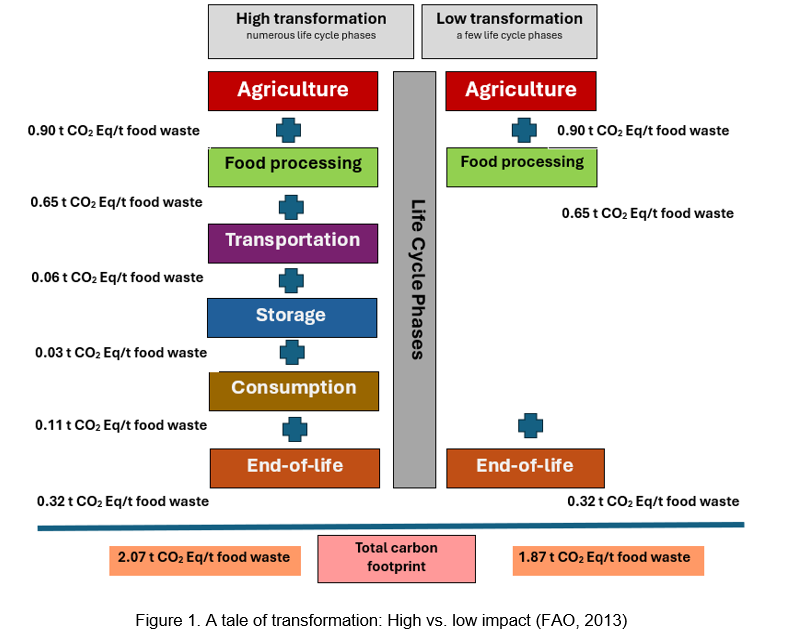
In the past, agricultural residues were treated as waste rather than as resources. Linear management of organic waste, such as dumping and underutilization, does not generate value from organic resources (Meshram, 2024). Inefficient economies, in turn, lead to increased greenhouse gas (GHG) emissions, nutrient imbalances, and soil damage (as shown in Figure 1), as well as limited resource use. Agricultural waste valorization under climate change and global sustainability transition: A step forward toward an environmentally beneficial economic policy.
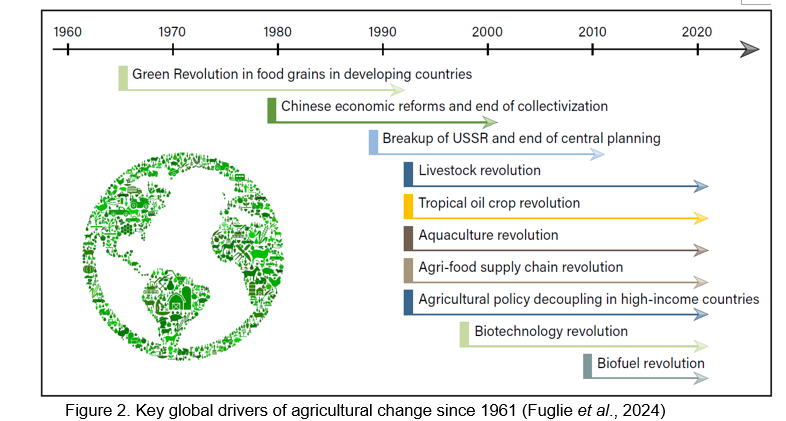
The circular economy concept offers a transformative path to reconsider agricultural systems that minimize waste and to shift focus to the cradle-to-cradle material flows on which agriculture is predicated. Recycling waste to wealth from biorefinery concepts has facilitated conversion of different types of agricultural residues into high-quality bio-products such as energy, bio-fertilizers, biochemicals, and premier sustainable materials like bioplastics and biochar (Polipalli et al., 2025). This practice mitigates stress on the environment and revitalizes the rural economy, promoting a green revolution to achieve UN SDGs, especially Zero Hunger (SDG 2), Affordable and Clean Energy (SDG 7), Responsible Consumption and Production (SDG 12), and Climate Action (SDG13), as shown in Figure 2.
The paper presents a comprehensive overview of the latest advancements in circular economy practices, highlighting the role of sustainability in agricultural residue management. It emphasizes current technologies, environmental co-benefits, and applicable policies for nutrient reuse in circular organic residue chains, including carbon, nutrients, and other materials, providing a solid basis for sustainable handling of organic residues. In fact, in its exploration of the web of relationships linking technological innovation, policy convergence, and socio-economic development in this sectoral system, the paper proposes a systemic approach to reconceptualize agricultural waste from an endpoint to a starting point for sustainable bio-based economies.
GLOBAL GENERATION AND COMPOSITION OF AGRICULTURAL WASTE
Global generation and major waste streams
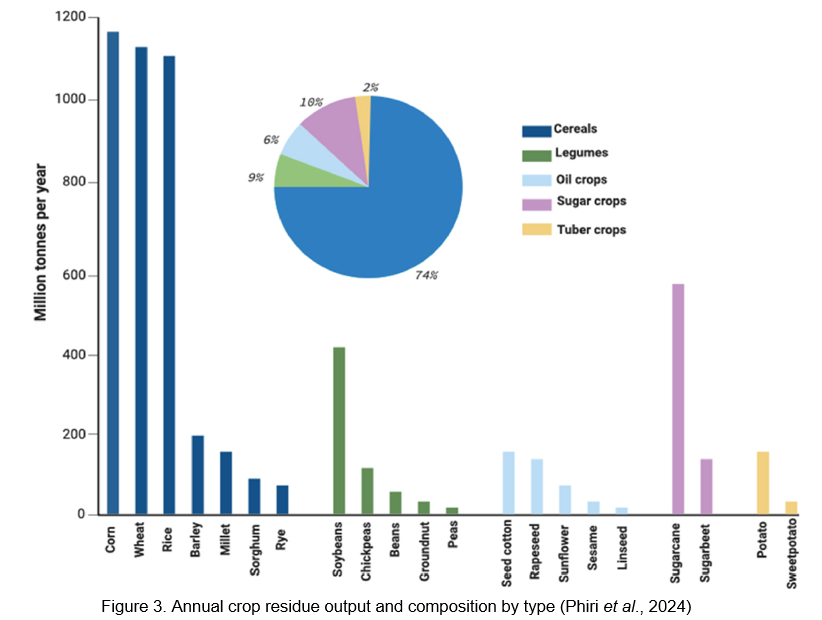
The waste generation rate of the agricultural sector shows that food production systems are large and vary across regions, as evident in Table 1. A third of the world's food production is lost during harvesting, processing, and distribution (World Bank, 2020), resulting in food waste (Yadav et al., 2024; FAO, 2025; Shahbazi et al., 2025). The categories of agro-waste among the different regions and sectors are described in Figure 3:
- Crop residues, including rice straws, wheat husks, corn stover, and sugarcane bagasse, account for about 70% of the total agricultural biomass residues (Phiri et al., 2024; Jose et al., 2025).
- Fruit and vegetables: Residue remainders from agro-processing industries, such as peels, pomace, and seeds, representing approximately 20-25% (Skwarek et al., 2023).
- Manure, slaughterhouse, and dairy residue – The methane and nitrous oxide emissions are released from the decomposition of untreated livestock waste (Feng et al., 2023).
Regional variations are pronounced. Asia, which produces the most crop residues, mainly generated in China, India, and Indonesia. Europe and North America generate significant amounts of livestock and food processing waste, while Latin America produces large quantities of by-products from sugarcane and coffee. In Sub-Saharan Africa, the postharvest losses and absence of valorization facilities are still the main challenges.
Table 1. Global agricultural output composition: Comparative analysis between 1961–1965 and 2016–2020 (Fuglie et al., 2024)
|
Commodity group
|
1961-65 Value (billion 2015 PPPS)
|
1961-65 Output share (%)
|
2016-20 Value (billion 2015 PPPS)
|
2016-20 Output share (%)
|
|
Cereal grains
|
250
|
21.7
|
766
|
18.5
|
|
Oil crops
|
74
|
6.4
|
380
|
9.2
|
|
Roots and tubers
|
105
|
9.1
|
178
|
4.3
|
|
Vegetables, fruits, and tree nuts
|
204
|
17.7
|
942
|
22.7
|
|
Other crops
|
87
|
7.6
|
252
|
6.1
|
|
Total crops
|
720
|
62.5
|
2,519
|
60.8
|
|
Ruminant meat
|
166
|
14.4
|
372
|
9.0
|
|
Nonruminant meat
|
76
|
6.6
|
475
|
11.5
|
|
Milk
|
149
|
12.9
|
376
|
9.1
|
|
Other livestock products
|
37
|
3.2
|
141
|
3.4
|
|
Total livestock
|
428
|
37.2
|
1,364
|
32.9
|
|
Aquaculture
|
4
|
0.4
|
261
|
6.3
|
|
All agriculture
|
1,153
|
100.0
|
4,143
|
100.0
|
The chemical composition and resource potential
Agricultural by-products are complex materials with high content of carbon, nutrients, and functional compounds. Their chemical composition mainly anticipates available transformation routes:
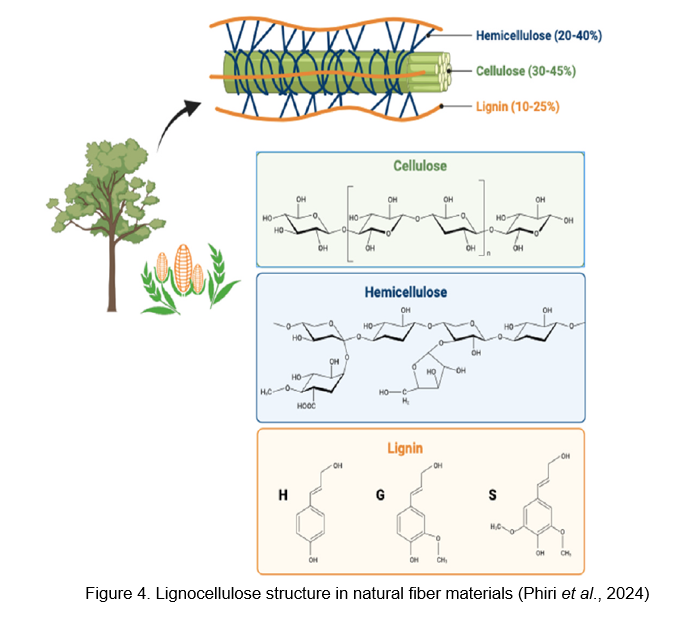
· Lignocellulosic biomass i.e., straws, husks, and stalks, consist of 30–50% cellulose, 20–35% hemicellulose and the 10–25% lignin have been synthesized for bioethanol, bioplastics, biogas and biochar (Mujtaba et al., 2023; Ingle et al., 2025) as illustrated in Figure 4.
· Nutrient-rich organic residues, including manure, digestate, and food residues. Sources of N, P, and K can be recycled as biofertilizer through composting, anaerobic digestion, or struvite precipitation, totaling thousands of tons (Zapata-Morales et al., 2025).
· Agro-industrial byproducts, including fruit pomace, seed cakes, and peels, are a prominent source of secondary metabolites like polyphenols, carotenoids, pectin & organic acids, which could be helpful in the food, cosmetic, and pharmaceutical industry (Goswami et al., 2025).
The valorization potential is vast. For instance, 15–20% silica was obtained from rice husk for use in biocement and as an adsorptive medium (Chen et al., 2025). The primary biomass feedstocks for producing biopolymers and bioethanol are sugarcane bagasse and corn stover; coconut shells (as a pretender and as a densified fuel), and palm kernel husks for activated carbon production (Kusuma et al., 2024). With these variations, the agro-industry sector can drive cascading utilization of the biorefinery product stream composition, thereby achieving higher resource recovery.
Environmental Impacts of Mismanagement
Open field burning or non-scientific dumping of agricultural residues has serious environmental consequences. Open burning of crop residues accounts for about 5–10% of anthropogenic CO₂ emissions globally (Erbaugh et al., 2024). It emits particulate matter (PM) and black carbon in the air, leading to degraded air quality and human health. Uncontrolled manure emissions from open house animal husbandry release methane and N₂O–GHG 25-300 times greater impact than that of CO₂ on global warming (Kashyap et al., 2025). Moreover, leaching of waste at dumping sites pollutes groundwater with nitrates, phosphates, and pathogens, thereby decreasing ecosystem support.
In addition to emissions, mismanagement of organic matter and nutrients further reduces the fertility base for long-term soil productivity. And these challenges can be addressed with circular economy interventions, such as composting or anaerobic digestion, which transform a contributor to climate change and biodiversity loss into an asset for carbon sequestration, nutrient cycling, and sustainable land management.
In general, the agro-global waste issue is a growing environmental problem and an underutilized bioresource. Research on generation patterns, chemical composition, and environmental impacts would facilitate the design of the ecological circular economy. The next paragraph further focuses on these routes, which involve advanced valorization technologies and product innovations to enable sustainable resource loops.
CIRCULAR ECONOMY PATHWAYS FOR AGRICULTURAL WASTE
The shift from a traditional ‘take-make-dispose’ toward a circular bioeconomy model has created transformative opportunities for the valorization of agricultural residues. These materials, which were originally by-products, have become feedstocks for the commodity plus market. The conversion of the remainder could even yield bioplastics, biopolymers, biochar, activated carbon, composites, green solvents, nutraceuticals, and bioherbicides, providing a further nutrient loop when these are involved.
Bioplastics and biopolymers
The valorization of agricultural residues as a carbon feedstock to generate biopolymers and bioplastics has been proposed as a recycling of organic potential waste materials from composting, enabling them to offer “green” alternatives to petroleum plastics. Cellulosic and hemicellulosic materials generate fermentable sugars, which can be polymerized to polylactic acid, polyhydroxyalkanoate, as well as starch-based polymers. The polymers are biodegradable and compostable, thereby reducing the lasting presence of plastics in natural settings. Furthermore, when combined with agricultural waste, production costs are lowered, and circularity is strengthened by using non-food biomass flows. In the context of integrated biorefinery systems, enzymatic and microbial technologies have greatly improved polymer quality and yield, making them competitive for packaging bioplastics, agricultural films, and consumer products (Kusuma et al., 2024; Asim et al., 2025).
Biochar and activated carbon
Crop residues, nutshells, and animal manure were pyrolyzed and carbonized to produce biochar and activated carbon adsorbents with high surface areas and predominantly porous structures. For starters, biochar is a natural soil enhancer that helps fertilize and sequester carbon in the soil, as well as retain water when mixed into the ground. Activated carbon derived from agricultural residues, such as coconut shells, palm kernel husks, and rice husks, has tremendous potential for remediation of heavy metals and organic matter in industrial effluents. Additionally, simultaneous generation of biomass-derived oil in pyrolysis can supply power, making the process net power self-sufficient. Furthermore, the emergence of nanosized biochar composites has expanded their integration into systems in energy storage, catalysis, and ecosystem restoration (Yang et al., 2025).
Biocomposites and building materials
Value-added applications of agro-waste (straw, husk, fiber) can be realized through the formulation of bio-composites incorporating natural fibers and biopolymers. With strengths such as light weight, high strength, and good thermal and acoustic insulation properties, these materials are suitable for material replacement. It can be used in applications such as green building panels, bricks, and boards, as well as furniture and automobile components. We have seen that wheat straw and coir fiber composites used in low-cost housing have been successful, as have automotive applications of hemp and jute fibers in Europe and Asia. This would ease pressure on landfill feedstock for energy and reduce dependence on cement and synthetic plastics, both of which can result in very low embodied carbon in construction (Khan et al., 2025).
Platform chemicals and green solvents
Agricultural feedstocks can be converted into several platform chemicals—biorefinery intermediates—via biochemical and thermochemical routes. Sugar and lignin fragments from biopolymer hydrolysis could also be used in the synthesis of succinic, lactic, levulinic, or furaldehyde acids relevant for the chemical sector semi-products –synthesis derivatives as well as to produce bioplastics, resins, and green solvents. For example, lactic acid from corn stover hydrolysate was a predominant monomer for PLA production. Further, biodiesel co-products and bioethanol distillation residues can be upgraded to propanediol and other eco-solvents by glycerol. These green chemicals would ensure the sustainability of supply of petrochemical intermediates and thus promote chemical circularity within agro-industrial value chains (Pirzadi et al., 2022).
Food ingredients and nutraceuticals
Fruit peels, seeds, and pomace are agro-wastes that contain several bioactive compounds, including polyphenols, carotenoids, and dietary fibre. The exposure and purification of these compounds as natural antioxidants, flavour enhancers, or functional food ingredients appear to be promising. For example, citrus peel and grape pomace extracts have shown strong antioxidative/anti-inflammatory effects, while rice bran and tomato pomace are rich in tocopherols and lycopene, respectively. The biovalorization of these nutraceuticals contributes on waste-minimization in the food industry and meets consumer demand for clean-label, health-improving products. The new extraction methods, such as ultrasound-assisted, subcritical water, and green solvent-based extractions, have been developed to increase yield and sustainability.
Biopesticides and bioherbicides
By-products of agricultural waste, like biochemicals, could also be an option for eco-friendly weed and pest management. Fermentation of crop residues and fruit by-products can yield bioactive metabolites, such as alkaloids, terpenoids, and phenolics, with antifungal, antimicrobial, or insecticidal activities. Sugar cane filter mud, and citrus peels can be used as sources of biopesticides, providing a safer, lower-risk option for sustainable agriculture. In addition, consortia developed directly from microorganisms adapted to agro-waste substrates (Trichoderma or Bacillus sp.) release biocontrol secondary metabolites in the soil, which boost soil health and raise projected crop yield, bringing regenerative agriculture into being (Asghar et al., 2024).
Textile and natural dye applications
Fruit and vegetable waste (farm by-products) may serve as potential sources of natural pigments, such as the readily abundant anthocyanins, tannins, and betalains. They could also be used for dyeing fabric or for creating environmentally friendly inks and paints. Unlike synthetic dyes, food-based natural dyes such as onion skin, pomegranate peels, or indigo leaves are biodegradable and non-toxic, thereby contributing to sustainable textiles. Dying industry workers’ safety and chemical effluent are mitigated by using agricultural waste dye extracts in a closed-loop circular-economy system.
Bio-cement and bio-adhesives
Recent studies have highlighted the potential for applications in bio-cement and bio-adhesive production and for reducing the utilization of energy-intensive, fossil resources. Silica-rich rice husk ash and sugarcane bagasse could be used as cement replacements to improve compressive strength and reduce CO₂ emissions from Portland cement. Likewise, the lignins and tannins, and starches extracted from agricultural waste can be harnessed in formulating bio-adhesives for wood-composite production as well packaging. These are the integrated solutions that bridge construction and agriculture, delivering circular solutions to close the loop on waste valorization and create zero-carbon infrastructure (Kumar et al., 2022).
In summary, these routes demonstrate how agricultural waste can be converted into a range of sustainable materials and chemicals, advancing the goals of the circular economy and the bio-based industry. Collectively, they all contribute to a transition that optimizes resources, associating waste-avoiding practices with product innovation and ensuring that cycles of nutrients, carbon, and materials are sufficiently closed for systems stretching from Agriculture to Industry (Table 2).
Table 2. Valorization pathways of agricultural residues in the circular bioeconomy
|
Valorization pathway
|
Feedstock
|
Products/Applications
|
Benefits
|
|
Bioplastics & biopolymers
|
Rice husks, sugarcane bagasse, corn stover
|
PLA, PHAs, starch-based polymers
|
Biodegradable plastics, reduced fossil use, cost-effective, circular packaging
|
|
Biochar & activated carbon
|
Crop residues, nutshells, animal manure
|
Soil amendments, water filters, energy storage materials
|
Carbon sequestration, pollution control, and renewable energy co-products
|
|
Biocomposites & building materials
|
Straw, husks, coir, hemp, jute fibers
|
Panels, bricks, furniture, auto parts
|
Lightweight, low-carbon construction, landfill diversion
|
|
Platform chemicals & green solvents
|
Biomass hydrolysates, glycerol, bioethanol residues
|
Succinic acid, lactic acid, furfural, and eco-solvents
|
Sustainable chemical intermediates, reduced petrochemical dependency
|
|
Food ingredients & nutraceuticals
|
Fruit peels, seeds, pomace
|
Antioxidants, dietary fibers, flavor enhancers
|
Health benefits, clean-label products, food waste reduction
|
|
Biopesticides & bioherbicides
|
Crop residues, fruit by-products, microbial cultures
|
Natural pest/weed control agents (e.g., alkaloids, phenolics)
|
Eco-friendly agriculture, reduced agrochemical use
|
|
Textiles & natural dyes
|
Fruit/vegetable waste (onion skins, pomegranate peels, indigo leaves)
|
Natural dyes, eco-inks
|
Biodegradable, non-toxic dyes, sustainable fashion
|
|
Bio-cement & bio-adhesives
|
Rice husk ash, sugarcane bagasse, lignin, tannins, starches
|
Cement substitutes, wood adhesives
|
Low-carbon construction, fossil-free adhesives
|
ENVIRONMENTAL AND ECONOMIC CO-BENEFITS
To both the environmental and economic advantages of recycling in the context of circular agriculture, develop a competitive advantage through sustainable management of agricultural waste. The valorization of waste, including energy, nutrient, and material recovery, offers solutions to many disposal problems whilst also contributing to climate capability, circular economy, and rural livelihood enhancement. The combined ecological and socio-economic advantages of agricultural-residue valorization are discussed in the following subsections.
Carbon sequestration and greenhouse gas mitigation
The agricultural residue carbon cycle is an integral part of the global carbon budget. Emissions of CO2 and methane from open burning or uncontrolled decomposition of waste are avoided, while waste conversion into biochar, biogas, or products derived from biomass stores carbon in a stable form or substitutes the production of fossil-based goods (Khater et al., 2024).
Applications of the carbon-rich material in soils have been demonstrated to sequester 1.5–3.0 tCO₂-eq per ton⁻¹ of biomass and stabilise it for hundreds of years. Manure digesters on livestock operations capture methane and provide renewable energy, reducing emissions by 60-80% compared with liquid manure storage practices (Kabeyi et al., 2022). Substituting fossil-fuel plastics with natural bioplastics reduces cradle-to-gate emissions by 40–70% and could make a much larger contribution to mitigating global warming, depending on feedstock and efficiency (Rai et al., 2023).
Tracing the role of these waste valorization options in national GHG inventories and identifying them within pertinent country-specific reporting activities is both a cost-effective alternative to the scale-up of renewable energy and sustainable land-use and an indirect method for providing verifiable evidence that such programs are meeting their intended focus. At the landscape scale, co-locating composting, biochar, and biogas plants globally could mitigate annual agricultural emissions of 0.8–1.2 Gt CO2-eq/yr, with positive effects on soil carbon stocks and nutrient cycling.
Resource efficiency and waste diversion from landfills
Circular valorization directly contribtes to resource efficiency by extracting valuable chemicals from agricultural residues and reducing the use of virgin resources. By transferring agricultural waste to productive use, we are also contributing to the reduction of organic waste sent to landfill - one of the leading causes of methane gas in many emerging economies.
For every ton of agro-waste converted into value-added products, it mitigates landfill space for nearly 1.5 tons, resulting in a reduction of about 0.3 tons of CH₄-equivalent emissions (Kumar et al., 2024). Furthermore, processes such as aerobic decomposition and biogas production replenish soil with nitrogen, phosphorus and potassium, thereby reducing reliance on synthetic fertilizers. In the EU, valorization of bio-waste could cover 20% imported mineral fertilizer consumption if source bio-waste was sludge (EU commission), whereas in Southeast Asia, circular usage of rice straw and palm residues could meet 15-25% local national demand for fertilizers (Kurniawati et al., 2023). This resource efficiency improves the cascading use of biomass -from waste streams to step-wise conversion into energy- with a view to maximizing the economic and ecological performance per amount of produced biomass.
Socioeconomic benefits for farmers and rural industries
Circular agriculture creates new revenue opportunities for farmers and rural regions. Instead of two more common fates, burning (at low yield) or dumping on a landfill at an equally low or negative value, agricultural residues are converted into marketable items, including pellets, compost, biogas, and natural dyes. Work in India and Indonesia has shown that centralized collection of residues increases farmers’ annual income by 10–25% as a bioenergy plant or composting co-operative is responsible for collecting farmers’ waste, generating local employment from the collection, processing the residue, and carrying out quality control (Aruwajoye et al., 2025).
The production of biogas and biofertilizer from livestock excreta also helps lower fuel and input costs, which is vital for building the resilience of smallholder farming systems. Furthermore, region-specific small-scale biorefineries that use crop residues could create rural industry and investment opportunities and thus may also support decent work and an economic upturn, as stated in SDG 8. In countries with robust agriculture – Thailand, Vietnam, Brazil, for example - recycling waste has already led to developing rural innovation ecosystems where producers, cooperatives, and processing SMEs have been included in circular low-carbon value chains. It’s not just about economic growth; the social co-benefits will also include better air quality (by burning less), healthier people, and greater local food, energy, and water security.
Environmental co-benefits: reduced eutrophication and land degradation
After composting, the production of biofertilizers or the controlled anaerobic digestion of nutrients promotes nutrient recycling, thereby reducing nutrient leaching and the potential for eutrophication. When organics are stabilized and returned to fields for use as soil amendments, the nitrogen and phosphorus remain in bioavailable forms rather than moving into water. Model projections have also suggested that integrating nutrient recovery units into agro-industrial processing can reduce eutrophication potential by 30–50% on a site-specific basis (Akinnawo et al., 2023).
Furthermore, the structure of the soil, water retention and microbial activity are improved by biochar together with compost, leading to long-term increased fertility and less erosion. This alternative agricultural philosophy helps heal the land rather than harm it and reduces dependence on expensive chemical fertilizers and irrigation systems, leaving a smaller footprint when growing crops.
Systemic integration and circular carbon synergies
The importance of environmental and economic benefits is even greater if valorization processes are interconnected at the sector level. The biogas plant can provide renewable energy for biochar drying or feedstock pretreatment; digestate is a nutrient-rich substrate for algae growth; and biochar is formed for soil sequestration in the biomass supply area during bioplastics production. This type of symbiotic relationship between industry sectors aligns with the precepts of Industry 5.0, which promote a human–machine partnership and resource sharing.
By connecting systems that provide multiple outputs—looping carbon and nutrients, looping material—agricultural waste is the protoplasm of a regenerative bioeconomy. Such a holistic view not only helps achieve climate-neutrality goals but also ensures an inclusive rural transformation, fair benefit sharing, and ecological resilience (Eelager et al., 2025), as illustrated in Table 3.
Table 3. Multidimensional benefits of agricultural waste valorization in a circular economy framework
|
Benefit area
|
Key strategies/Processes
|
Outcomes/impacts
|
|
1. Carbon sequestration & GHG mitigation
|
Biochar production, anaerobic digestion, bioplastics from agro-waste
|
CO₂ sequestration (1.5–3.0 t CO₂-eq/ton biomass), 60–80% CH₄ reduction, 40–70% lower emissions vs. plastics
|
|
2. Resource efficiency & waste diversion
|
Composting, anaerobic digestion, nutrient recovery
|
Saves landfill space, reduces CH₄ emissions, offsets 15–25% fertilizer demand, promotes biomass cascading use
|
|
3. Socioeconomic gains
|
Residue collection, bioenergy, composting, rural biorefineries
|
+10–25% farmer income, green jobs, reduced input costs, rural industrialization, improved air quality
|
|
4. Environmental co-benefits
|
Composting, biofertilizers, biochar, nutrient recycling
|
30–50% eutrophication reduction, improved soil health, erosion control, and reduced chemical input use
|
|
5. Systemic integration & circular synergies
|
Multi-output systems (biogas + biochar + digestate reuse)
|
Cross-sectoral efficiency, closed-loop carbon/nutrient cycles, supports SDGs, and enhances ecosystem resilience
|
In summary, the agri-waste closed loop offers both environmental and practical benefits. The multiple benefits include GHG emission reductions, diversion of organics from landfills, nutrient recycling, and rebuilding soil health. At the same time, the rural economies would be rejuvenated. This duality between environmental stewardship and economic development is gradually driving the convergence of the circular bioeconomy, as waste valorization agriculture becomes a more prevalent source of green growth. Environmental and economic drivers to specifically create circular bioeconomy waste valorization agriculture for green growth are now providing impetus towards its convergence.
POLICY, MARKET, AND FUTURE RESEARCH DIRECTIONS
Developing a circular economy model for utilizing agricultural waste involves not just technological feasibility, but also the establishment of supportive policies, market instruments that ensure access to precise economic mechanisms, and research innovation. Practical cooperation at the government, industry, and local levels is needed to maximize the utilization of agricultural residues in a cost-effective manner that promotes social inclusiveness and beneficial environmental impacts. The section outlines the policies, market opportunities, and key research areas that provide a backdrop for global and regional perspectives on circular agricultural systems.
Policy frameworks supporting circular bioeconomy
Over the past ten years, the concept of the circular bioeconomy has gained increasing traction within sustainable international development agendas, and it is increasingly recognized. In this regard, the European Union (EU) has spearheaded the prioritization of renewable biological resources for energy, materials, and chemicals with its Circular Economy Action Plan (2020) and recent Bioeconomy Strategy (2022). The EU Green Deal includes binding carbon-neutrality targets for 2035 to address the poisoning of Europe, which can underpin enabling policies for circular agriculture and safeguard biorefining and nutrient recycling. The one, such as Horizon Europe, is spending large resources into circular bio-based sectors with special attention to agri-food by-products being valorized to high-value bioproducts (European Commission, 2025).
The Circular Economy Promotion Law of the People's Republic of China (Amendedin 2021) and the 14th Five-Year Green Development Plan both emphasized the comprehensive utilization of agricultural waste to support the coordinated development of rural industries and resource recycling in rural areas (The State Council, The People's Republic of China, 2021). Elsewhere in the Latin American and African regions, meanwhile, new frameworks are emerging for valorization of biowaste - like those pioneering UN efforts of UNEP, FAO and UNIDO - by which such national afforestation can alleviate the strain of open burning or a greater dependence on landfilling – while increasing food security and exportable energy through them.
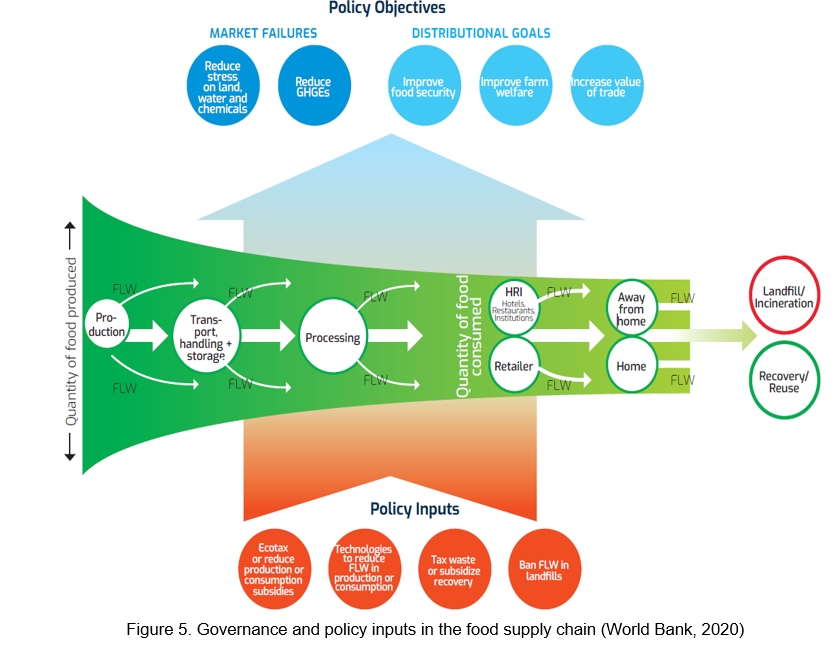
Together, these policies indicate a global transition from waste management to resource management, as agro-wastes are regarded as renewable feedstocks that can drive low-carbon economies (Terpou et al., 2025), as illustrated in Figure 5.
Market opportunities and scaling challenges
The market for products made from agricultural residues is substantial, and consumer interest in green materials and sustainable alternatives is increasing steadily. The global bioplastics market is expected to reach US$11 billion by 2024 and may exceed US$30 billion as agricultural residues are adopted as a primary feedstock (Emergen Research, 2025). The biochar industry would exceed 4.5 billion by 2030, driven by the increasing use of carbon credits and regenerative agricultural schemes.
However, taking advantage of these opportunities presents new scaling challenges in the following areas:
- Economics Focus: The vehicles are established in the form of biorefineries, pyrolysis plants or fermentation factors are expensive, particularly in low and middle-income countries
- Feedstock supply logistics: The high-water content, variation in seasonality as well as the diffused generation, collection and transport systems make it difficult to establish.
- Standardization gaps: There are nearly no standardized (harmonized) quality requirements for bio-based products in place, particularly not with composting, biofertilizers and biopolymers, which adversely affects market introduction, especially technologies involving cross-border trade.
- Policy incoherence: In many countries, waste, agricultural, and energy policies are largely unconnected, leading to regulatory duplication and little cross-policy shaping.
Given that, policy needs to create financial opportunities, including feed-in tariffs for bioenergy and a tax reduction for bioproduct manufacturers or public procurement incentives for bio-based materials. A bilateral trade cooperation between ASEAN countries, for example, can facilitate the standardization of compost and bioplastics certification systems to enhance market access and investor trust (ASEAN, 2021; Ramli et al., 2024).
In addition, other revenue streams could be provided for biochar or anaerobic digestion producing farmers through carbon pricing and voluntary carbon trading as well to increase the financial viability of circular initiatives.
Digitalization and Technologies Powering Industry 5.0
The emergence of Industry 5.0 and digitalization provides opportunities to enhance the valorization of agricultural waste. State-of-the-art technologies such as AI, IoT, blockchain, and digital twin enable precision monitoring, predictive maintenance, and transparent value chains in biomass application scenarios. It also reserves the scope for landscape development such as:
- Optimization models based on AI can be developed to predict the optimal process conditions (temperature, feedstock dimension, or other conditions) for pyrolysis, fermentation, or composting that will result in maximum yield or minimum energy consumption.
- IoT sensor networks can instantaneously patrol feedstock quality, humidity level and emission pattern for improved process control and traceability.
- Digital certification of bioproducts and farm-to-product traceable carbon accounting on blockchain.
- Digital twins of the biorefinery give policymakers and investors a detailed basis for deciding which sustainability choices are better long before investment can be made.
The technologies close the chasm between life and industrial systems and embody the collaborative and ideology spirit model issue of 5.0 Industry (Hassoun et al., 2024). Digital tools, paired with local innovation and community organization, can also support the development of smart, distributed circular economies in which smallholder farmers, co-ops, and SMEs are part of value creation and capture.
Future research directions
Although some significant steps have been made, several frontiers still need to be further explored for the advancement of circular agricultural systems:
•Techno-economic optimization of multi-product biorefineries: There is a need to integrate biochemical, thermochemical, and physical processes into modular designs suitable for rural deployment.
•Advanced material valorization: Biochemical production of complex biopolymers and green solvents from bulky agricultural residues is indeed a very promising yet to be addressed field for the next generation bio-polymeric products (functional biochar-composites, novel eco-friendly solvents).
•System-wide LCA (life cycle assessment): System-based LCA and energy analysis need to be carried out for evaluation of environmental trade-offs and hotspots in circular value chains.
•Socioeconomic modeling and equity analysis: Research needs to evaluate the effects of circular transitions on smallholder livelihoods, gender inclusiveness, and rural employment for outcomes to be fair and equitable.
•Policy–technology interface: Dominant theories, models, and scenarios about the interplay between strategy-level policies and specific technology options might guide empirical work on their effectiveness as policy instruments — including subsidies, carbon credits, or standards—and how national strategies for circular economy align with climate commitments or industrial practices.
Cross-sectoral research collaboration between academia, industry, and governments can facilitate the adoption process of circular economy practices in agriculture. In general, an enabling policy framework, expanding market demand, digitalization revolution, and ongoing research innovations are all contributing to fostering the appropriate context for a circular transition of agriculture at a global scale. These multiple dimensions of sustainability can mean that agro-recycling household waste can transform an environmental problem into a basis for industrial development, bringing together nutrient, carbon, and material flows between rural agriculture and urban systems (Vishnoi et al., 2024).
CONCLUSION
The world food system is at a reckoning point, as always, with one foot stuck in the door of legacy ecological problems and its other free to walk through transition possibilities. Farm waste has evolved from a liability to an asset and a renewable resource that can support a resilient, regenerative bioeconomy amid climate change challenges. This review has unambiguously presented the potential of circular economy pathways to produce value-added products (bioplastics, biochar, and nutraceuticals) from agro-waste/by-products, in addition to providing sustainable construction materials and biofertilizers. Both technologies open up the possibility of closing nutrient, carbon and material circuits at the interface between agriculture and industry.
The subsequent circulation of agricultural waste has several environmental advantages. The cascading systems abate GHG from uncontrolled infield burning, decomposition or ramifications of by-products or residues; loading the mission to enhance carbon sequestration and minimize soil and water pollution. Extraction and usage of biochar, compost and biobased materials as well as regenerate soil, but replace fossil-based material directly, which is why these examples are part of the contribution to national climate goals and SDGs. Furthermore, as waste management through composting, anaerobic digestion, and biorefinery allows the recovery of organic matter, it contributes to regenerating soil fertility, reducing chemical dependency, and enhancing the regenerative potential of agricultural landscapes.
Economically, valorization generates new streams of revenue and green jobs, in this case mainly in rural areas with abundant stocks of agricultural residues. Farmers and small businesses can participate in emerging value chains (bio-based) from residues such as feedstock to energy, chemicals or functional products, supporting rural industrial work and economic viability. In addition, by enhancing its consumers' human capacity and experience in processing grasses into furfural, this can also improve secondary energy independence and social inclusiveness as well as innovation networks led by the community.
Picking up on policy frameworks in e.g., EU, ASEAN and China, circular bio-economy strategies with waste valorization serving to merge climate and industrial targets have begun to gain institutional lock-in. The current challenge for industry is scaling up product circularity through further cross-sector collaboration on factors such as standardized products that create a level playing field and financial incentives that make bio-based products competitive in mainstream markets. Coupled with digitalization and Industry 5.0 technologies operating processes using AI, to monitor these through the IoT sensors in process monitoring, tracing products by blockchain, or making them transparent in all production stages via a digital twin, the change came sooner still - in the development of smart, transparent person-centered resource systems.
In the future, the development of circular agricultural systems will rely on a better integration of technology, policy, the economy, and society. Further research should be directed towards multi-output biorefineries, system-wide life cycle studies, and fair remuneration concepts to ensure that circularity is achieved from both the producers’ and consumers’ point of view. To reach scale, it will be necessary to develop strong biomass supply chains, digital cooperation platforms, and link carbon accounting to value through circular methods.
In the end, developing circular economy paths for agricultural waste is not a footnote to waste management but an enabler of regenerative production/consumption transitions. Societies have the power to capture the overall benefits of closing nutrient, carbon, and material loops, so that agricultural residues can become a low-carbon source for development, reconciling environmental accountability with economic growth. It is a transformation that captures the spirit of sustainable innovation — where value trumps volume, waste becomes wealth, and agriculture transitions from a net emitter of CO2 to one that fuels circular regeneration.
REFERENCES
Akinnawo, S. O. (2023). Eutrophication: Causes, consequences, physical, chemical, and biological techniques for mitigation strategies. Environmental Challenges, 12, 100733. Doi: 10.1016/j.envc.2023.100733
Aruwajoye, N. N., & Coetzee, R. (2025). Transitioning from linear to circular systems offers sustainable solutions for smallholder agriculture in the Global South. Environmental Challenges, 101300. Doi: 10.1016/j.envc.2025.101300
ASEAN. (2021). Framework for Circular Economy for the ASEAN Economic Community. Accessed from https://asean.org/wp-content/uploads/2021/10/Framework-for-Circular-Econ... in October 2025
Asghar, W., Craven, K. D., Kataoka, R., Mahmood, A., Asghar, N., Raza, T., & Iftikhar, F. (2024). The application of Trichoderma spp., an old but new useful fungus, in sustainable soil health intensification: A comprehensive strategy for addressing challenges. Plant Stress, 12, 100455. Doi: 10.1016/j.stress.2024.100455
Asim, Z., Shahzad, H. M. A., Ghodake, G., Mahmoud, K. A., Almomani, F., & Rasool, K. (2025). Transforming Agricultural Food Waste into Bioplastics: Methods, Potential, and Technological Advances. Advanced Sustainable Systems, 9(3), 2400864. Doi:10.1002/adsu.202400864
Chen, W. H., Magdaraog, B. J. P., Ubando, A. T., Felix, C. B., Lin, K. Y. A., & Conejos, S. (2025). Sustainable cementitious materials: A comprehensive review on rice husk biochar-Portland cement blends. Case Studies in Construction Materials, e05087. Doi: 10.1016/j.cscm.2025.e05087
Demichelis, F., Lenzuni, M., Converti, A., Del Borghi, A., Freyria, F. S., Gagliano, E., ... & Tommasi, T. (2025). Agro-food waste conversion into valuable products in the Italian scenario: current practices and innovative approaches. Journal of Environmental Chemical Engineering, 115458. Doi: 10.1016/j.jece.2025.115458
Eelager, M. P., Dalbanjan, N. P., Madihalli, S., Madar, M., Agadi, N. P., Korganokar, K., & Kiran, B. K. (2025). Pathways to a sustainable future: Exploring the synergy between sustainability and circular economy. Sustainable Futures, 10, 101208. Doi: 10.1016/j.sftr.2025.101208
Emergen Research. (2025). Bioplastics & Biopolymers Market Size. Accessed from https://www.emergenresearch.com/industry-report/bioplastics-biopolymers-... in October 2025
Erbaugh, J., Singh, G., Luo, Z., Koppa, G., Evans, J., & Shyamsundar, P. (2024). Farmer perspectives on crop residue burning and sociotechnical transition in Punjab, India. Journal of Rural Studies, 111, 103387. Doi: 10.1016/j.jrurstud.2024.103387
European Commission. (2025). Horizon Europe 2028-2034: a framework for excellence, innovation and competitiveness. Accessed from https://research-and-innovation.ec.europa.eu/funding/funding-opportuniti... on October 2025
FAO. (2013). Food wastage footprint & Climate Change. Accessed from https://www.fao.org/fileadmin/templates/ninsustainability_pathways/docs/... in October 2025
FAO. (2025). New FAO report assesses progress towards food and agricuinure SDG indicators. Accessed from https://www.fao.org/newsroom/detail/new-fao-report-assesses-progress-tow... in October 2025
Feng, X., Smith, W., & VanderZaag, A. C. (2023). Dairy manure nutrient recovery reduces greenhouse gas emissions and transportation costs in a modeling study. Frontiers in Animal Science, 4, 1134817. Doi: 10.3389/fanim.2023.1134817
Fuglie, K.O., Morgan, S., & Jelliffe, J. (2024). World agricultural production, resource use, and productivity, 1961–2020 (Report No. EIB-268). U.S. Department of Agriculture, Economic Research Service.
Goswami, D., Singh, R., Mohanta, Y.K., Nayak, P.K., Odhiambo, C., Chandra Nath, P. (2025). Fruit and Vegetable Processing Wastes and By-Products: An Overview. In: Mohanta, Y.K., Nayak, P.K., Chandra Nath, P. (eds) Fruit and Vegetable Processing Wastes and By-products. Methods and Protocols in Food Science. Humana, New York, NY. Doi:10.1007/978-1-0716-4763-9_1
Hassoun, A., Jagtap, S., Trollman, H., Garcia‐Garcia, G., Duong, L. N., Saxena, P., ... & Aït‐Kaddour, A. (2024). From Food Industry 4.0 to Food Industry 5.0: Identifying technological enablers and potential future applications in the food sector. Comprehensive reviews in food science and food safety, 23(6), e370040. Doi: 10.1111/1541-4337.70040
Ingle, A.P., Saxena, S., Moharil, M.P. et al. (2025). Production of biomaterials and biochemicals from lignocellulosic biomass through sustainable approaches: current scenario and future perspectives. Biotechnol Sustain Mater 2, 3. Doi: 10.1186/s44316-025-00025-2
Jose, D., Sivakumar, R., Agarwal, M., Arshad, N., Gundupalli, M. P., Thiagamani, S. M. K., ... & Sriariyanun, M. (2025). A comprehensive review of conversion of rice biomass into sustainable products: A green approach toward a circular economy. Sustainable Chemistry for Climate Action, 6, 100069. Doi: 10.1016/j.scca.2025.100069
Kabeyi, M. J. B., & Olanrewaju, O. A. (2022). Biogas production and applications in the sustainable energy transition. Journal of Energy, 2022(1), 8750221. Doi: 10.1155/2022/8750221
Kashyap, D., Goswami, K., Barkataki, B. (2025). Assessing the Environmental Impact: The Poultry Sector’s Role in Carbon Footprint Within the Animal Industry. In: Singh, P., Ao, B. (eds) The Intersection of Global Energy Politics and Climate Change. Advances in Geographical and Environmental Sciences. Springer, Singapore. Doi: 10.1007/978-981-96-0535-4_8
Khan, D., Khan, Z., and Khan, D. (2025). Transforming Agricultural Residues into Construction Materials: A Sustainable Path Forward. Adv Civil Eng Tech. 6(5). ACET.000648.2025. Doi: 10.31031/ACET.2025.06.000648
Khater, E.S., Bahnasawy, A., Hamouda, R. et al. (2024). Biochar production under different pyrolysis temperatures with different types of agricultural wastes. Sci Rep 14, 2625. Doi: 10.1038/s41598-024-52336-5
Kumar, C., & Leggate, W. (2022). An overview of bio-adhesives for engineered wood products. International Journal of Adhesion and Adhesives, 118, 103187. Doi: 10.1016/j.ijadhadh.2022.103187
Kumar, D. J. P., Mishra, R. K., Chinnam, S., Binnal, P., & Dwivedi, N. (2024). A comprehensive study on anaerobic digestion of organic solid waste: A review on configurations, operating parameters, techno-economic analysis, and current trends. Biotechnology Notes, 5, 33-49. Doi: 10.1016/j.biotno.2024.02.001
Kurniawati, A., Stankovics, P., Hilmi, Y. S., Toth, G., Smol, M., & Toth, Z. (2023). Understanding the future of bio-based fertilizers: The EU's policy and implementation. Sustainable Chemistry for Climate Action, 3, 100033. Doi: 10.1016/j.scca.2023.100033
Kusuma, H. S., Sabita, A., Putri, N. A., Azliza, N., Illiyanasafa, N., Darmokoesoemo, H., ... & Kurniawan, T. A. (2024). Waste to wealth: Polyhydroxyalkanoates (PHA) production from food waste for a sustainable packaging paradigm. Food Chemistry: Molecular Sciences, 9, 100225. Doi: 10.1016/j.fochms.2024.100225
Meshram, K.K. (2024). The circular economy, 5R framework, and green organic practices: pillars of sustainable development and zero-waste living. Discov Environ 2, 147. Doi: 10.1007/s44274-024-00177-4
Mujtaba, M., Fraceto, L. F., Fazeli, M., Mukherjee, S., Savassa, S. M., de Medeiros, G. A., ... & Vilaplana, F. (2023). Lignocellulosic biomass from agricultural waste to the circular economy: a review with focus on biofuels, biocomposites and bioplastics. Journal of Cleaner Production, 402, 136815. Doi: 10.1016/j.jclepro.2023.136815
Phiri, R., Rangappa, S. M., & Siengchin, S. (2024). Agro-waste for renewable and sustainable green production: A review. Journal of Cleaner Production, 434, 139989. Doi: 10.1016/j.jclepro.2023.139989
Pirzadi, Z., & Meshkani, F. (2022). From glycerol production to its value-added uses: A critical review. Fuel, 329, 125044. Doi: 10.1016/j.fuel.2022.125044
Polipalli, K., Suraboyina, S., Kashimalla, M., & Polumati, A. (2025). A review on value addition of Agricultural Residues by Chemical and Bio-chemical Processes to abate environmental pollution. Green Technologies and Sustainability, 100241. Doi: 10.1016/j.grets.2025.100241
Rai, P. K., & Choure, K. (2023). Agriculture waste to bioplastics: A perfect substitution of plastics. In Value-addition in agr i-food industry waste through enzyme technology (p. 299-314). Academic Press. Doi: 10.1016/B978-0-323-89928-4.00011-0
Ramli, I. M., & Kasih, M. C. (2024). Integrative Report on Implementation of the Circular Economy in ASEAN. Jakarta: Economic Research Institute for ASEAN and East Asia (ERIA).
Saxena, S., Moharil, M. P., Jadhav, P. V., Ghodake, B., Deshmukh, R., & Ingle, A. P. (2025). Transforming waste into wealth: Leveraging nanotechnology for recycling agricultural byproducts into value-added products. Plant Nano Biology, 11, 100127. Doi: 10.1016/j.plana.2024.100127
Shahbazi, F., Shahbazi, S., & Zare, D. (2025). Losses in Agricultural Produce: Causes and Effects on Food Security. Food and Energy Security, 14(3), e70086.-Doi:10.1002/fes3.70086
Skwarek, P., & Karwowska, M. (2023). Fruit and vegetable processing by-products as functional meat product ingredients. A chance to improve the nutritional value. Lwt, 189, 115442. Doi: 10.1016/j.lwt.2023.115442
Terpou, A., Arvaniti, O., Afratis, N., & Zahariadis, T. (2025). Sustainability challenges in the bovine sector and the implementation of waste management policies within the EU framework. Food Chemistry Advances, 101129. Doi: 10.1016/j.focha.2025.101129
The State Council, The People's Republic of China. (2021). Circular economy gets 5-year regulator boost. Accessed from https://english.www.gov.cn/policies/policywatch/202107/08/content_WS60e6... in October 2025
Vishnoi, S., & Goel, R. K. (2024). Climate-smart agriculture for sustainable productivity and healthy landscapes. Environmental Science & Policy, 151, 103600. Doi: 10.1016/j.envsci.2023.103600
World Bank. (2020). Addressing Food Loss and Waste: A Global Problem with Local Solutions. Accessed from https://documents1.worldbank.org/curated/en/ 549221601305124823/pdf/Main-Report.pdf in October 2025
Yadav, C., Yadav, P., Joshi, A., Meena, M., Harish, Arora, J. (2024). Agricultural Waste and Its Impact on the Environment. In: Arora, J., Joshi, A., Ray, R.C. (eds) Transforming Agriculture Residues for Sustainable Development. Waste as a Resource. Springer, Cham. Doi: 10.1007/978-3-031-61133-9_1
Yang, Y., Li, G., Yue, X. et al. (2025). Advances in biochar composites for environmental sustainability. Adv Compos Hybrid Mater 8, 74. Doi: 10.1007/s42114-024-01181-1
Zapata-Morales, A.L., Moreno-Andrade, I. (2025). Valorisation of digestates from organic solid waste as fertilisers, soil improvers, and agricultural prebiotics: panorama and perspectives. 3 Biotech 15, 333. Doi: 10.1007/s13205-025-04507-y

Unlocking Circular Economy Pathways for Agricultural Waste: A Strategy to Close Nutrient, Carbon, and Material Loops for Net Zero Emissions
ABSTRACT
Agricultural residues are among the largest untapped resources in the global bioeconomy, with the potential to support climate neutrality and circular resource use. This paper examines circular society by valorizing agricultural residues into valuable products and their contribution to future sustainability through nutrient-cycling closed loops. Valorization routes such as bioplastics, biochar, biocomposites, green solvents, biofertilizers, nutraceuticals, and natural dyes also lead to waste-to-wealth conversion and thereby alleviate greenhouse gas emissions. These pathways contribute directly to net-zero goals, produce CO2 offsets, mobilize nutrients, and provide fossil-fuel alternatives. The paper highlights the benefits of social and economic development in remote rural areas, including improved soil fertility and more reliable energy. In the context of Industry 5.0 and conducive policy environments, agricultural residue valorization has the potential to be a foundational element of regenerative development. In the end, this strategy transforms agricultural waste from a liability into an environmental asset, offering opportunities as a key lever to drive sustainable production and decarbonization for an effective transition to a circular bioeconomy.
Keywords: Carbon neutrality, Circular economy, Climate change, Organic waste, Resource recovery
INTRODUCTION
Human civilization, from ancient human dwelling settlements to modern cities, is based on agriculture, through which humanity was provided with food, fiber, and raw materials for industrial growth and economic development. However, the industry also generates significant amounts of waste and by-products that degrade the environment (Saxena et al., 2025). Residues and by-products from crops, fruits, vegetables, animals, and other agro-industrial sectors are also frequently underutilized, leading to detrimental environmental consequences ranging from open burning emissions to methane generation/ leachate formation/ nutrient depletion. The annual drying capacity of agricultural green waste (AGW) exceeds 5 billion tons worldwide (Demichelis et al., 2025), with over 45% of this capacity in Asia, due to Asia's enormous agricultural base and massive production processes.
In the past, agricultural residues were treated as waste rather than as resources. Linear management of organic waste, such as dumping and underutilization, does not generate value from organic resources (Meshram, 2024). Inefficient economies, in turn, lead to increased greenhouse gas (GHG) emissions, nutrient imbalances, and soil damage (as shown in Figure 1), as well as limited resource use. Agricultural waste valorization under climate change and global sustainability transition: A step forward toward an environmentally beneficial economic policy.
The circular economy concept offers a transformative path to reconsider agricultural systems that minimize waste and to shift focus to the cradle-to-cradle material flows on which agriculture is predicated. Recycling waste to wealth from biorefinery concepts has facilitated conversion of different types of agricultural residues into high-quality bio-products such as energy, bio-fertilizers, biochemicals, and premier sustainable materials like bioplastics and biochar (Polipalli et al., 2025). This practice mitigates stress on the environment and revitalizes the rural economy, promoting a green revolution to achieve UN SDGs, especially Zero Hunger (SDG 2), Affordable and Clean Energy (SDG 7), Responsible Consumption and Production (SDG 12), and Climate Action (SDG13), as shown in Figure 2.
The paper presents a comprehensive overview of the latest advancements in circular economy practices, highlighting the role of sustainability in agricultural residue management. It emphasizes current technologies, environmental co-benefits, and applicable policies for nutrient reuse in circular organic residue chains, including carbon, nutrients, and other materials, providing a solid basis for sustainable handling of organic residues. In fact, in its exploration of the web of relationships linking technological innovation, policy convergence, and socio-economic development in this sectoral system, the paper proposes a systemic approach to reconceptualize agricultural waste from an endpoint to a starting point for sustainable bio-based economies.
GLOBAL GENERATION AND COMPOSITION OF AGRICULTURAL WASTE
Global generation and major waste streams
The waste generation rate of the agricultural sector shows that food production systems are large and vary across regions, as evident in Table 1. A third of the world's food production is lost during harvesting, processing, and distribution (World Bank, 2020), resulting in food waste (Yadav et al., 2024; FAO, 2025; Shahbazi et al., 2025). The categories of agro-waste among the different regions and sectors are described in Figure 3:
Regional variations are pronounced. Asia, which produces the most crop residues, mainly generated in China, India, and Indonesia. Europe and North America generate significant amounts of livestock and food processing waste, while Latin America produces large quantities of by-products from sugarcane and coffee. In Sub-Saharan Africa, the postharvest losses and absence of valorization facilities are still the main challenges.
Table 1. Global agricultural output composition: Comparative analysis between 1961–1965 and 2016–2020 (Fuglie et al., 2024)
Commodity group
1961-65 Value (billion 2015 PPPS)
1961-65 Output share (%)
2016-20 Value (billion 2015 PPPS)
2016-20 Output share (%)
Cereal grains
250
21.7
766
18.5
Oil crops
74
6.4
380
9.2
Roots and tubers
105
9.1
178
4.3
Vegetables, fruits, and tree nuts
204
17.7
942
22.7
Other crops
87
7.6
252
6.1
Total crops
720
62.5
2,519
60.8
Ruminant meat
166
14.4
372
9.0
Nonruminant meat
76
6.6
475
11.5
Milk
149
12.9
376
9.1
Other livestock products
37
3.2
141
3.4
Total livestock
428
37.2
1,364
32.9
Aquaculture
4
0.4
261
6.3
All agriculture
1,153
100.0
4,143
100.0
The chemical composition and resource potential
Agricultural by-products are complex materials with high content of carbon, nutrients, and functional compounds. Their chemical composition mainly anticipates available transformation routes:
· Lignocellulosic biomass i.e., straws, husks, and stalks, consist of 30–50% cellulose, 20–35% hemicellulose and the 10–25% lignin have been synthesized for bioethanol, bioplastics, biogas and biochar (Mujtaba et al., 2023; Ingle et al., 2025) as illustrated in Figure 4.
· Nutrient-rich organic residues, including manure, digestate, and food residues. Sources of N, P, and K can be recycled as biofertilizer through composting, anaerobic digestion, or struvite precipitation, totaling thousands of tons (Zapata-Morales et al., 2025).
· Agro-industrial byproducts, including fruit pomace, seed cakes, and peels, are a prominent source of secondary metabolites like polyphenols, carotenoids, pectin & organic acids, which could be helpful in the food, cosmetic, and pharmaceutical industry (Goswami et al., 2025).
The valorization potential is vast. For instance, 15–20% silica was obtained from rice husk for use in biocement and as an adsorptive medium (Chen et al., 2025). The primary biomass feedstocks for producing biopolymers and bioethanol are sugarcane bagasse and corn stover; coconut shells (as a pretender and as a densified fuel), and palm kernel husks for activated carbon production (Kusuma et al., 2024). With these variations, the agro-industry sector can drive cascading utilization of the biorefinery product stream composition, thereby achieving higher resource recovery.
Environmental Impacts of Mismanagement
Open field burning or non-scientific dumping of agricultural residues has serious environmental consequences. Open burning of crop residues accounts for about 5–10% of anthropogenic CO₂ emissions globally (Erbaugh et al., 2024). It emits particulate matter (PM) and black carbon in the air, leading to degraded air quality and human health. Uncontrolled manure emissions from open house animal husbandry release methane and N₂O–GHG 25-300 times greater impact than that of CO₂ on global warming (Kashyap et al., 2025). Moreover, leaching of waste at dumping sites pollutes groundwater with nitrates, phosphates, and pathogens, thereby decreasing ecosystem support.
In addition to emissions, mismanagement of organic matter and nutrients further reduces the fertility base for long-term soil productivity. And these challenges can be addressed with circular economy interventions, such as composting or anaerobic digestion, which transform a contributor to climate change and biodiversity loss into an asset for carbon sequestration, nutrient cycling, and sustainable land management.
In general, the agro-global waste issue is a growing environmental problem and an underutilized bioresource. Research on generation patterns, chemical composition, and environmental impacts would facilitate the design of the ecological circular economy. The next paragraph further focuses on these routes, which involve advanced valorization technologies and product innovations to enable sustainable resource loops.
CIRCULAR ECONOMY PATHWAYS FOR AGRICULTURAL WASTE
The shift from a traditional ‘take-make-dispose’ toward a circular bioeconomy model has created transformative opportunities for the valorization of agricultural residues. These materials, which were originally by-products, have become feedstocks for the commodity plus market. The conversion of the remainder could even yield bioplastics, biopolymers, biochar, activated carbon, composites, green solvents, nutraceuticals, and bioherbicides, providing a further nutrient loop when these are involved.
Bioplastics and biopolymers
The valorization of agricultural residues as a carbon feedstock to generate biopolymers and bioplastics has been proposed as a recycling of organic potential waste materials from composting, enabling them to offer “green” alternatives to petroleum plastics. Cellulosic and hemicellulosic materials generate fermentable sugars, which can be polymerized to polylactic acid, polyhydroxyalkanoate, as well as starch-based polymers. The polymers are biodegradable and compostable, thereby reducing the lasting presence of plastics in natural settings. Furthermore, when combined with agricultural waste, production costs are lowered, and circularity is strengthened by using non-food biomass flows. In the context of integrated biorefinery systems, enzymatic and microbial technologies have greatly improved polymer quality and yield, making them competitive for packaging bioplastics, agricultural films, and consumer products (Kusuma et al., 2024; Asim et al., 2025).
Biochar and activated carbon
Crop residues, nutshells, and animal manure were pyrolyzed and carbonized to produce biochar and activated carbon adsorbents with high surface areas and predominantly porous structures. For starters, biochar is a natural soil enhancer that helps fertilize and sequester carbon in the soil, as well as retain water when mixed into the ground. Activated carbon derived from agricultural residues, such as coconut shells, palm kernel husks, and rice husks, has tremendous potential for remediation of heavy metals and organic matter in industrial effluents. Additionally, simultaneous generation of biomass-derived oil in pyrolysis can supply power, making the process net power self-sufficient. Furthermore, the emergence of nanosized biochar composites has expanded their integration into systems in energy storage, catalysis, and ecosystem restoration (Yang et al., 2025).
Biocomposites and building materials
Value-added applications of agro-waste (straw, husk, fiber) can be realized through the formulation of bio-composites incorporating natural fibers and biopolymers. With strengths such as light weight, high strength, and good thermal and acoustic insulation properties, these materials are suitable for material replacement. It can be used in applications such as green building panels, bricks, and boards, as well as furniture and automobile components. We have seen that wheat straw and coir fiber composites used in low-cost housing have been successful, as have automotive applications of hemp and jute fibers in Europe and Asia. This would ease pressure on landfill feedstock for energy and reduce dependence on cement and synthetic plastics, both of which can result in very low embodied carbon in construction (Khan et al., 2025).
Platform chemicals and green solvents
Agricultural feedstocks can be converted into several platform chemicals—biorefinery intermediates—via biochemical and thermochemical routes. Sugar and lignin fragments from biopolymer hydrolysis could also be used in the synthesis of succinic, lactic, levulinic, or furaldehyde acids relevant for the chemical sector semi-products –synthesis derivatives as well as to produce bioplastics, resins, and green solvents. For example, lactic acid from corn stover hydrolysate was a predominant monomer for PLA production. Further, biodiesel co-products and bioethanol distillation residues can be upgraded to propanediol and other eco-solvents by glycerol. These green chemicals would ensure the sustainability of supply of petrochemical intermediates and thus promote chemical circularity within agro-industrial value chains (Pirzadi et al., 2022).
Food ingredients and nutraceuticals
Fruit peels, seeds, and pomace are agro-wastes that contain several bioactive compounds, including polyphenols, carotenoids, and dietary fibre. The exposure and purification of these compounds as natural antioxidants, flavour enhancers, or functional food ingredients appear to be promising. For example, citrus peel and grape pomace extracts have shown strong antioxidative/anti-inflammatory effects, while rice bran and tomato pomace are rich in tocopherols and lycopene, respectively. The biovalorization of these nutraceuticals contributes on waste-minimization in the food industry and meets consumer demand for clean-label, health-improving products. The new extraction methods, such as ultrasound-assisted, subcritical water, and green solvent-based extractions, have been developed to increase yield and sustainability.
Biopesticides and bioherbicides
By-products of agricultural waste, like biochemicals, could also be an option for eco-friendly weed and pest management. Fermentation of crop residues and fruit by-products can yield bioactive metabolites, such as alkaloids, terpenoids, and phenolics, with antifungal, antimicrobial, or insecticidal activities. Sugar cane filter mud, and citrus peels can be used as sources of biopesticides, providing a safer, lower-risk option for sustainable agriculture. In addition, consortia developed directly from microorganisms adapted to agro-waste substrates (Trichoderma or Bacillus sp.) release biocontrol secondary metabolites in the soil, which boost soil health and raise projected crop yield, bringing regenerative agriculture into being (Asghar et al., 2024).
Textile and natural dye applications
Fruit and vegetable waste (farm by-products) may serve as potential sources of natural pigments, such as the readily abundant anthocyanins, tannins, and betalains. They could also be used for dyeing fabric or for creating environmentally friendly inks and paints. Unlike synthetic dyes, food-based natural dyes such as onion skin, pomegranate peels, or indigo leaves are biodegradable and non-toxic, thereby contributing to sustainable textiles. Dying industry workers’ safety and chemical effluent are mitigated by using agricultural waste dye extracts in a closed-loop circular-economy system.
Bio-cement and bio-adhesives
Recent studies have highlighted the potential for applications in bio-cement and bio-adhesive production and for reducing the utilization of energy-intensive, fossil resources. Silica-rich rice husk ash and sugarcane bagasse could be used as cement replacements to improve compressive strength and reduce CO₂ emissions from Portland cement. Likewise, the lignins and tannins, and starches extracted from agricultural waste can be harnessed in formulating bio-adhesives for wood-composite production as well packaging. These are the integrated solutions that bridge construction and agriculture, delivering circular solutions to close the loop on waste valorization and create zero-carbon infrastructure (Kumar et al., 2022).
In summary, these routes demonstrate how agricultural waste can be converted into a range of sustainable materials and chemicals, advancing the goals of the circular economy and the bio-based industry. Collectively, they all contribute to a transition that optimizes resources, associating waste-avoiding practices with product innovation and ensuring that cycles of nutrients, carbon, and materials are sufficiently closed for systems stretching from Agriculture to Industry (Table 2).
Table 2. Valorization pathways of agricultural residues in the circular bioeconomy
Valorization pathway
Feedstock
Products/Applications
Benefits
Bioplastics & biopolymers
Rice husks, sugarcane bagasse, corn stover
PLA, PHAs, starch-based polymers
Biodegradable plastics, reduced fossil use, cost-effective, circular packaging
Biochar & activated carbon
Crop residues, nutshells, animal manure
Soil amendments, water filters, energy storage materials
Carbon sequestration, pollution control, and renewable energy co-products
Biocomposites & building materials
Straw, husks, coir, hemp, jute fibers
Panels, bricks, furniture, auto parts
Lightweight, low-carbon construction, landfill diversion
Platform chemicals & green solvents
Biomass hydrolysates, glycerol, bioethanol residues
Succinic acid, lactic acid, furfural, and eco-solvents
Sustainable chemical intermediates, reduced petrochemical dependency
Food ingredients & nutraceuticals
Fruit peels, seeds, pomace
Antioxidants, dietary fibers, flavor enhancers
Health benefits, clean-label products, food waste reduction
Biopesticides & bioherbicides
Crop residues, fruit by-products, microbial cultures
Natural pest/weed control agents (e.g., alkaloids, phenolics)
Eco-friendly agriculture, reduced agrochemical use
Textiles & natural dyes
Fruit/vegetable waste (onion skins, pomegranate peels, indigo leaves)
Natural dyes, eco-inks
Biodegradable, non-toxic dyes, sustainable fashion
Bio-cement & bio-adhesives
Rice husk ash, sugarcane bagasse, lignin, tannins, starches
Cement substitutes, wood adhesives
Low-carbon construction, fossil-free adhesives
ENVIRONMENTAL AND ECONOMIC CO-BENEFITS
To both the environmental and economic advantages of recycling in the context of circular agriculture, develop a competitive advantage through sustainable management of agricultural waste. The valorization of waste, including energy, nutrient, and material recovery, offers solutions to many disposal problems whilst also contributing to climate capability, circular economy, and rural livelihood enhancement. The combined ecological and socio-economic advantages of agricultural-residue valorization are discussed in the following subsections.
Carbon sequestration and greenhouse gas mitigation
The agricultural residue carbon cycle is an integral part of the global carbon budget. Emissions of CO2 and methane from open burning or uncontrolled decomposition of waste are avoided, while waste conversion into biochar, biogas, or products derived from biomass stores carbon in a stable form or substitutes the production of fossil-based goods (Khater et al., 2024).
Applications of the carbon-rich material in soils have been demonstrated to sequester 1.5–3.0 tCO₂-eq per ton⁻¹ of biomass and stabilise it for hundreds of years. Manure digesters on livestock operations capture methane and provide renewable energy, reducing emissions by 60-80% compared with liquid manure storage practices (Kabeyi et al., 2022). Substituting fossil-fuel plastics with natural bioplastics reduces cradle-to-gate emissions by 40–70% and could make a much larger contribution to mitigating global warming, depending on feedstock and efficiency (Rai et al., 2023).
Tracing the role of these waste valorization options in national GHG inventories and identifying them within pertinent country-specific reporting activities is both a cost-effective alternative to the scale-up of renewable energy and sustainable land-use and an indirect method for providing verifiable evidence that such programs are meeting their intended focus. At the landscape scale, co-locating composting, biochar, and biogas plants globally could mitigate annual agricultural emissions of 0.8–1.2 Gt CO2-eq/yr, with positive effects on soil carbon stocks and nutrient cycling.
Resource efficiency and waste diversion from landfills
Circular valorization directly contribtes to resource efficiency by extracting valuable chemicals from agricultural residues and reducing the use of virgin resources. By transferring agricultural waste to productive use, we are also contributing to the reduction of organic waste sent to landfill - one of the leading causes of methane gas in many emerging economies.
For every ton of agro-waste converted into value-added products, it mitigates landfill space for nearly 1.5 tons, resulting in a reduction of about 0.3 tons of CH₄-equivalent emissions (Kumar et al., 2024). Furthermore, processes such as aerobic decomposition and biogas production replenish soil with nitrogen, phosphorus and potassium, thereby reducing reliance on synthetic fertilizers. In the EU, valorization of bio-waste could cover 20% imported mineral fertilizer consumption if source bio-waste was sludge (EU commission), whereas in Southeast Asia, circular usage of rice straw and palm residues could meet 15-25% local national demand for fertilizers (Kurniawati et al., 2023). This resource efficiency improves the cascading use of biomass -from waste streams to step-wise conversion into energy- with a view to maximizing the economic and ecological performance per amount of produced biomass.
Socioeconomic benefits for farmers and rural industries
Circular agriculture creates new revenue opportunities for farmers and rural regions. Instead of two more common fates, burning (at low yield) or dumping on a landfill at an equally low or negative value, agricultural residues are converted into marketable items, including pellets, compost, biogas, and natural dyes. Work in India and Indonesia has shown that centralized collection of residues increases farmers’ annual income by 10–25% as a bioenergy plant or composting co-operative is responsible for collecting farmers’ waste, generating local employment from the collection, processing the residue, and carrying out quality control (Aruwajoye et al., 2025).
The production of biogas and biofertilizer from livestock excreta also helps lower fuel and input costs, which is vital for building the resilience of smallholder farming systems. Furthermore, region-specific small-scale biorefineries that use crop residues could create rural industry and investment opportunities and thus may also support decent work and an economic upturn, as stated in SDG 8. In countries with robust agriculture – Thailand, Vietnam, Brazil, for example - recycling waste has already led to developing rural innovation ecosystems where producers, cooperatives, and processing SMEs have been included in circular low-carbon value chains. It’s not just about economic growth; the social co-benefits will also include better air quality (by burning less), healthier people, and greater local food, energy, and water security.
Environmental co-benefits: reduced eutrophication and land degradation
After composting, the production of biofertilizers or the controlled anaerobic digestion of nutrients promotes nutrient recycling, thereby reducing nutrient leaching and the potential for eutrophication. When organics are stabilized and returned to fields for use as soil amendments, the nitrogen and phosphorus remain in bioavailable forms rather than moving into water. Model projections have also suggested that integrating nutrient recovery units into agro-industrial processing can reduce eutrophication potential by 30–50% on a site-specific basis (Akinnawo et al., 2023).
Furthermore, the structure of the soil, water retention and microbial activity are improved by biochar together with compost, leading to long-term increased fertility and less erosion. This alternative agricultural philosophy helps heal the land rather than harm it and reduces dependence on expensive chemical fertilizers and irrigation systems, leaving a smaller footprint when growing crops.
Systemic integration and circular carbon synergies
The importance of environmental and economic benefits is even greater if valorization processes are interconnected at the sector level. The biogas plant can provide renewable energy for biochar drying or feedstock pretreatment; digestate is a nutrient-rich substrate for algae growth; and biochar is formed for soil sequestration in the biomass supply area during bioplastics production. This type of symbiotic relationship between industry sectors aligns with the precepts of Industry 5.0, which promote a human–machine partnership and resource sharing.
By connecting systems that provide multiple outputs—looping carbon and nutrients, looping material—agricultural waste is the protoplasm of a regenerative bioeconomy. Such a holistic view not only helps achieve climate-neutrality goals but also ensures an inclusive rural transformation, fair benefit sharing, and ecological resilience (Eelager et al., 2025), as illustrated in Table 3.
Table 3. Multidimensional benefits of agricultural waste valorization in a circular economy framework
Benefit area
Key strategies/Processes
Outcomes/impacts
1. Carbon sequestration & GHG mitigation
Biochar production, anaerobic digestion, bioplastics from agro-waste
CO₂ sequestration (1.5–3.0 t CO₂-eq/ton biomass), 60–80% CH₄ reduction, 40–70% lower emissions vs. plastics
2. Resource efficiency & waste diversion
Composting, anaerobic digestion, nutrient recovery
Saves landfill space, reduces CH₄ emissions, offsets 15–25% fertilizer demand, promotes biomass cascading use
3. Socioeconomic gains
Residue collection, bioenergy, composting, rural biorefineries
+10–25% farmer income, green jobs, reduced input costs, rural industrialization, improved air quality
4. Environmental co-benefits
Composting, biofertilizers, biochar, nutrient recycling
30–50% eutrophication reduction, improved soil health, erosion control, and reduced chemical input use
5. Systemic integration & circular synergies
Multi-output systems (biogas + biochar + digestate reuse)
Cross-sectoral efficiency, closed-loop carbon/nutrient cycles, supports SDGs, and enhances ecosystem resilience
In summary, the agri-waste closed loop offers both environmental and practical benefits. The multiple benefits include GHG emission reductions, diversion of organics from landfills, nutrient recycling, and rebuilding soil health. At the same time, the rural economies would be rejuvenated. This duality between environmental stewardship and economic development is gradually driving the convergence of the circular bioeconomy, as waste valorization agriculture becomes a more prevalent source of green growth. Environmental and economic drivers to specifically create circular bioeconomy waste valorization agriculture for green growth are now providing impetus towards its convergence.
POLICY, MARKET, AND FUTURE RESEARCH DIRECTIONS
Developing a circular economy model for utilizing agricultural waste involves not just technological feasibility, but also the establishment of supportive policies, market instruments that ensure access to precise economic mechanisms, and research innovation. Practical cooperation at the government, industry, and local levels is needed to maximize the utilization of agricultural residues in a cost-effective manner that promotes social inclusiveness and beneficial environmental impacts. The section outlines the policies, market opportunities, and key research areas that provide a backdrop for global and regional perspectives on circular agricultural systems.
Policy frameworks supporting circular bioeconomy
Over the past ten years, the concept of the circular bioeconomy has gained increasing traction within sustainable international development agendas, and it is increasingly recognized. In this regard, the European Union (EU) has spearheaded the prioritization of renewable biological resources for energy, materials, and chemicals with its Circular Economy Action Plan (2020) and recent Bioeconomy Strategy (2022). The EU Green Deal includes binding carbon-neutrality targets for 2035 to address the poisoning of Europe, which can underpin enabling policies for circular agriculture and safeguard biorefining and nutrient recycling. The one, such as Horizon Europe, is spending large resources into circular bio-based sectors with special attention to agri-food by-products being valorized to high-value bioproducts (European Commission, 2025).
The Circular Economy Promotion Law of the People's Republic of China (Amendedin 2021) and the 14th Five-Year Green Development Plan both emphasized the comprehensive utilization of agricultural waste to support the coordinated development of rural industries and resource recycling in rural areas (The State Council, The People's Republic of China, 2021). Elsewhere in the Latin American and African regions, meanwhile, new frameworks are emerging for valorization of biowaste - like those pioneering UN efforts of UNEP, FAO and UNIDO - by which such national afforestation can alleviate the strain of open burning or a greater dependence on landfilling – while increasing food security and exportable energy through them.
Together, these policies indicate a global transition from waste management to resource management, as agro-wastes are regarded as renewable feedstocks that can drive low-carbon economies (Terpou et al., 2025), as illustrated in Figure 5.
Market opportunities and scaling challenges
The market for products made from agricultural residues is substantial, and consumer interest in green materials and sustainable alternatives is increasing steadily. The global bioplastics market is expected to reach US$11 billion by 2024 and may exceed US$30 billion as agricultural residues are adopted as a primary feedstock (Emergen Research, 2025). The biochar industry would exceed 4.5 billion by 2030, driven by the increasing use of carbon credits and regenerative agricultural schemes.
However, taking advantage of these opportunities presents new scaling challenges in the following areas:
Given that, policy needs to create financial opportunities, including feed-in tariffs for bioenergy and a tax reduction for bioproduct manufacturers or public procurement incentives for bio-based materials. A bilateral trade cooperation between ASEAN countries, for example, can facilitate the standardization of compost and bioplastics certification systems to enhance market access and investor trust (ASEAN, 2021; Ramli et al., 2024).
In addition, other revenue streams could be provided for biochar or anaerobic digestion producing farmers through carbon pricing and voluntary carbon trading as well to increase the financial viability of circular initiatives.
Digitalization and Technologies Powering Industry 5.0
The emergence of Industry 5.0 and digitalization provides opportunities to enhance the valorization of agricultural waste. State-of-the-art technologies such as AI, IoT, blockchain, and digital twin enable precision monitoring, predictive maintenance, and transparent value chains in biomass application scenarios. It also reserves the scope for landscape development such as:
The technologies close the chasm between life and industrial systems and embody the collaborative and ideology spirit model issue of 5.0 Industry (Hassoun et al., 2024). Digital tools, paired with local innovation and community organization, can also support the development of smart, distributed circular economies in which smallholder farmers, co-ops, and SMEs are part of value creation and capture.
Future research directions
Although some significant steps have been made, several frontiers still need to be further explored for the advancement of circular agricultural systems:
•Techno-economic optimization of multi-product biorefineries: There is a need to integrate biochemical, thermochemical, and physical processes into modular designs suitable for rural deployment.
•Advanced material valorization: Biochemical production of complex biopolymers and green solvents from bulky agricultural residues is indeed a very promising yet to be addressed field for the next generation bio-polymeric products (functional biochar-composites, novel eco-friendly solvents).
•System-wide LCA (life cycle assessment): System-based LCA and energy analysis need to be carried out for evaluation of environmental trade-offs and hotspots in circular value chains.
•Socioeconomic modeling and equity analysis: Research needs to evaluate the effects of circular transitions on smallholder livelihoods, gender inclusiveness, and rural employment for outcomes to be fair and equitable.
•Policy–technology interface: Dominant theories, models, and scenarios about the interplay between strategy-level policies and specific technology options might guide empirical work on their effectiveness as policy instruments — including subsidies, carbon credits, or standards—and how national strategies for circular economy align with climate commitments or industrial practices.
Cross-sectoral research collaboration between academia, industry, and governments can facilitate the adoption process of circular economy practices in agriculture. In general, an enabling policy framework, expanding market demand, digitalization revolution, and ongoing research innovations are all contributing to fostering the appropriate context for a circular transition of agriculture at a global scale. These multiple dimensions of sustainability can mean that agro-recycling household waste can transform an environmental problem into a basis for industrial development, bringing together nutrient, carbon, and material flows between rural agriculture and urban systems (Vishnoi et al., 2024).
CONCLUSION
The world food system is at a reckoning point, as always, with one foot stuck in the door of legacy ecological problems and its other free to walk through transition possibilities. Farm waste has evolved from a liability to an asset and a renewable resource that can support a resilient, regenerative bioeconomy amid climate change challenges. This review has unambiguously presented the potential of circular economy pathways to produce value-added products (bioplastics, biochar, and nutraceuticals) from agro-waste/by-products, in addition to providing sustainable construction materials and biofertilizers. Both technologies open up the possibility of closing nutrient, carbon and material circuits at the interface between agriculture and industry.
The subsequent circulation of agricultural waste has several environmental advantages. The cascading systems abate GHG from uncontrolled infield burning, decomposition or ramifications of by-products or residues; loading the mission to enhance carbon sequestration and minimize soil and water pollution. Extraction and usage of biochar, compost and biobased materials as well as regenerate soil, but replace fossil-based material directly, which is why these examples are part of the contribution to national climate goals and SDGs. Furthermore, as waste management through composting, anaerobic digestion, and biorefinery allows the recovery of organic matter, it contributes to regenerating soil fertility, reducing chemical dependency, and enhancing the regenerative potential of agricultural landscapes.
Economically, valorization generates new streams of revenue and green jobs, in this case mainly in rural areas with abundant stocks of agricultural residues. Farmers and small businesses can participate in emerging value chains (bio-based) from residues such as feedstock to energy, chemicals or functional products, supporting rural industrial work and economic viability. In addition, by enhancing its consumers' human capacity and experience in processing grasses into furfural, this can also improve secondary energy independence and social inclusiveness as well as innovation networks led by the community.
Picking up on policy frameworks in e.g., EU, ASEAN and China, circular bio-economy strategies with waste valorization serving to merge climate and industrial targets have begun to gain institutional lock-in. The current challenge for industry is scaling up product circularity through further cross-sector collaboration on factors such as standardized products that create a level playing field and financial incentives that make bio-based products competitive in mainstream markets. Coupled with digitalization and Industry 5.0 technologies operating processes using AI, to monitor these through the IoT sensors in process monitoring, tracing products by blockchain, or making them transparent in all production stages via a digital twin, the change came sooner still - in the development of smart, transparent person-centered resource systems.
In the future, the development of circular agricultural systems will rely on a better integration of technology, policy, the economy, and society. Further research should be directed towards multi-output biorefineries, system-wide life cycle studies, and fair remuneration concepts to ensure that circularity is achieved from both the producers’ and consumers’ point of view. To reach scale, it will be necessary to develop strong biomass supply chains, digital cooperation platforms, and link carbon accounting to value through circular methods.
In the end, developing circular economy paths for agricultural waste is not a footnote to waste management but an enabler of regenerative production/consumption transitions. Societies have the power to capture the overall benefits of closing nutrient, carbon, and material loops, so that agricultural residues can become a low-carbon source for development, reconciling environmental accountability with economic growth. It is a transformation that captures the spirit of sustainable innovation — where value trumps volume, waste becomes wealth, and agriculture transitions from a net emitter of CO2 to one that fuels circular regeneration.
REFERENCES
Akinnawo, S. O. (2023). Eutrophication: Causes, consequences, physical, chemical, and biological techniques for mitigation strategies. Environmental Challenges, 12, 100733. Doi: 10.1016/j.envc.2023.100733
Aruwajoye, N. N., & Coetzee, R. (2025). Transitioning from linear to circular systems offers sustainable solutions for smallholder agriculture in the Global South. Environmental Challenges, 101300. Doi: 10.1016/j.envc.2025.101300
ASEAN. (2021). Framework for Circular Economy for the ASEAN Economic Community. Accessed from https://asean.org/wp-content/uploads/2021/10/Framework-for-Circular-Econ... in October 2025
Asghar, W., Craven, K. D., Kataoka, R., Mahmood, A., Asghar, N., Raza, T., & Iftikhar, F. (2024). The application of Trichoderma spp., an old but new useful fungus, in sustainable soil health intensification: A comprehensive strategy for addressing challenges. Plant Stress, 12, 100455. Doi: 10.1016/j.stress.2024.100455
Asim, Z., Shahzad, H. M. A., Ghodake, G., Mahmoud, K. A., Almomani, F., & Rasool, K. (2025). Transforming Agricultural Food Waste into Bioplastics: Methods, Potential, and Technological Advances. Advanced Sustainable Systems, 9(3), 2400864. Doi:10.1002/adsu.202400864
Chen, W. H., Magdaraog, B. J. P., Ubando, A. T., Felix, C. B., Lin, K. Y. A., & Conejos, S. (2025). Sustainable cementitious materials: A comprehensive review on rice husk biochar-Portland cement blends. Case Studies in Construction Materials, e05087. Doi: 10.1016/j.cscm.2025.e05087
Demichelis, F., Lenzuni, M., Converti, A., Del Borghi, A., Freyria, F. S., Gagliano, E., ... & Tommasi, T. (2025). Agro-food waste conversion into valuable products in the Italian scenario: current practices and innovative approaches. Journal of Environmental Chemical Engineering, 115458. Doi: 10.1016/j.jece.2025.115458
Eelager, M. P., Dalbanjan, N. P., Madihalli, S., Madar, M., Agadi, N. P., Korganokar, K., & Kiran, B. K. (2025). Pathways to a sustainable future: Exploring the synergy between sustainability and circular economy. Sustainable Futures, 10, 101208. Doi: 10.1016/j.sftr.2025.101208
Emergen Research. (2025). Bioplastics & Biopolymers Market Size. Accessed from https://www.emergenresearch.com/industry-report/bioplastics-biopolymers-... in October 2025
Erbaugh, J., Singh, G., Luo, Z., Koppa, G., Evans, J., & Shyamsundar, P. (2024). Farmer perspectives on crop residue burning and sociotechnical transition in Punjab, India. Journal of Rural Studies, 111, 103387. Doi: 10.1016/j.jrurstud.2024.103387
European Commission. (2025). Horizon Europe 2028-2034: a framework for excellence, innovation and competitiveness. Accessed from https://research-and-innovation.ec.europa.eu/funding/funding-opportuniti... on October 2025
FAO. (2013). Food wastage footprint & Climate Change. Accessed from https://www.fao.org/fileadmin/templates/ninsustainability_pathways/docs/... in October 2025
FAO. (2025). New FAO report assesses progress towards food and agricuinure SDG indicators. Accessed from https://www.fao.org/newsroom/detail/new-fao-report-assesses-progress-tow... in October 2025
Feng, X., Smith, W., & VanderZaag, A. C. (2023). Dairy manure nutrient recovery reduces greenhouse gas emissions and transportation costs in a modeling study. Frontiers in Animal Science, 4, 1134817. Doi: 10.3389/fanim.2023.1134817
Fuglie, K.O., Morgan, S., & Jelliffe, J. (2024). World agricultural production, resource use, and productivity, 1961–2020 (Report No. EIB-268). U.S. Department of Agriculture, Economic Research Service.
Goswami, D., Singh, R., Mohanta, Y.K., Nayak, P.K., Odhiambo, C., Chandra Nath, P. (2025). Fruit and Vegetable Processing Wastes and By-Products: An Overview. In: Mohanta, Y.K., Nayak, P.K., Chandra Nath, P. (eds) Fruit and Vegetable Processing Wastes and By-products. Methods and Protocols in Food Science. Humana, New York, NY. Doi:10.1007/978-1-0716-4763-9_1
Hassoun, A., Jagtap, S., Trollman, H., Garcia‐Garcia, G., Duong, L. N., Saxena, P., ... & Aït‐Kaddour, A. (2024). From Food Industry 4.0 to Food Industry 5.0: Identifying technological enablers and potential future applications in the food sector. Comprehensive reviews in food science and food safety, 23(6), e370040. Doi: 10.1111/1541-4337.70040
Ingle, A.P., Saxena, S., Moharil, M.P. et al. (2025). Production of biomaterials and biochemicals from lignocellulosic biomass through sustainable approaches: current scenario and future perspectives. Biotechnol Sustain Mater 2, 3. Doi: 10.1186/s44316-025-00025-2
Jose, D., Sivakumar, R., Agarwal, M., Arshad, N., Gundupalli, M. P., Thiagamani, S. M. K., ... & Sriariyanun, M. (2025). A comprehensive review of conversion of rice biomass into sustainable products: A green approach toward a circular economy. Sustainable Chemistry for Climate Action, 6, 100069. Doi: 10.1016/j.scca.2025.100069
Kabeyi, M. J. B., & Olanrewaju, O. A. (2022). Biogas production and applications in the sustainable energy transition. Journal of Energy, 2022(1), 8750221. Doi: 10.1155/2022/8750221
Kashyap, D., Goswami, K., Barkataki, B. (2025). Assessing the Environmental Impact: The Poultry Sector’s Role in Carbon Footprint Within the Animal Industry. In: Singh, P., Ao, B. (eds) The Intersection of Global Energy Politics and Climate Change. Advances in Geographical and Environmental Sciences. Springer, Singapore. Doi: 10.1007/978-981-96-0535-4_8
Khan, D., Khan, Z., and Khan, D. (2025). Transforming Agricultural Residues into Construction Materials: A Sustainable Path Forward. Adv Civil Eng Tech. 6(5). ACET.000648.2025. Doi: 10.31031/ACET.2025.06.000648
Khater, E.S., Bahnasawy, A., Hamouda, R. et al. (2024). Biochar production under different pyrolysis temperatures with different types of agricultural wastes. Sci Rep 14, 2625. Doi: 10.1038/s41598-024-52336-5
Kumar, C., & Leggate, W. (2022). An overview of bio-adhesives for engineered wood products. International Journal of Adhesion and Adhesives, 118, 103187. Doi: 10.1016/j.ijadhadh.2022.103187
Kumar, D. J. P., Mishra, R. K., Chinnam, S., Binnal, P., & Dwivedi, N. (2024). A comprehensive study on anaerobic digestion of organic solid waste: A review on configurations, operating parameters, techno-economic analysis, and current trends. Biotechnology Notes, 5, 33-49. Doi: 10.1016/j.biotno.2024.02.001
Kurniawati, A., Stankovics, P., Hilmi, Y. S., Toth, G., Smol, M., & Toth, Z. (2023). Understanding the future of bio-based fertilizers: The EU's policy and implementation. Sustainable Chemistry for Climate Action, 3, 100033. Doi: 10.1016/j.scca.2023.100033
Kusuma, H. S., Sabita, A., Putri, N. A., Azliza, N., Illiyanasafa, N., Darmokoesoemo, H., ... & Kurniawan, T. A. (2024). Waste to wealth: Polyhydroxyalkanoates (PHA) production from food waste for a sustainable packaging paradigm. Food Chemistry: Molecular Sciences, 9, 100225. Doi: 10.1016/j.fochms.2024.100225
Meshram, K.K. (2024). The circular economy, 5R framework, and green organic practices: pillars of sustainable development and zero-waste living. Discov Environ 2, 147. Doi: 10.1007/s44274-024-00177-4
Mujtaba, M., Fraceto, L. F., Fazeli, M., Mukherjee, S., Savassa, S. M., de Medeiros, G. A., ... & Vilaplana, F. (2023). Lignocellulosic biomass from agricultural waste to the circular economy: a review with focus on biofuels, biocomposites and bioplastics. Journal of Cleaner Production, 402, 136815. Doi: 10.1016/j.jclepro.2023.136815
Phiri, R., Rangappa, S. M., & Siengchin, S. (2024). Agro-waste for renewable and sustainable green production: A review. Journal of Cleaner Production, 434, 139989. Doi: 10.1016/j.jclepro.2023.139989
Pirzadi, Z., & Meshkani, F. (2022). From glycerol production to its value-added uses: A critical review. Fuel, 329, 125044. Doi: 10.1016/j.fuel.2022.125044
Polipalli, K., Suraboyina, S., Kashimalla, M., & Polumati, A. (2025). A review on value addition of Agricultural Residues by Chemical and Bio-chemical Processes to abate environmental pollution. Green Technologies and Sustainability, 100241. Doi: 10.1016/j.grets.2025.100241
Rai, P. K., & Choure, K. (2023). Agriculture waste to bioplastics: A perfect substitution of plastics. In Value-addition in agr i-food industry waste through enzyme technology (p. 299-314). Academic Press. Doi: 10.1016/B978-0-323-89928-4.00011-0
Ramli, I. M., & Kasih, M. C. (2024). Integrative Report on Implementation of the Circular Economy in ASEAN. Jakarta: Economic Research Institute for ASEAN and East Asia (ERIA).
Saxena, S., Moharil, M. P., Jadhav, P. V., Ghodake, B., Deshmukh, R., & Ingle, A. P. (2025). Transforming waste into wealth: Leveraging nanotechnology for recycling agricultural byproducts into value-added products. Plant Nano Biology, 11, 100127. Doi: 10.1016/j.plana.2024.100127
Shahbazi, F., Shahbazi, S., & Zare, D. (2025). Losses in Agricultural Produce: Causes and Effects on Food Security. Food and Energy Security, 14(3), e70086.-Doi:10.1002/fes3.70086
Skwarek, P., & Karwowska, M. (2023). Fruit and vegetable processing by-products as functional meat product ingredients. A chance to improve the nutritional value. Lwt, 189, 115442. Doi: 10.1016/j.lwt.2023.115442
Terpou, A., Arvaniti, O., Afratis, N., & Zahariadis, T. (2025). Sustainability challenges in the bovine sector and the implementation of waste management policies within the EU framework. Food Chemistry Advances, 101129. Doi: 10.1016/j.focha.2025.101129
The State Council, The People's Republic of China. (2021). Circular economy gets 5-year regulator boost. Accessed from https://english.www.gov.cn/policies/policywatch/202107/08/content_WS60e6... in October 2025
Vishnoi, S., & Goel, R. K. (2024). Climate-smart agriculture for sustainable productivity and healthy landscapes. Environmental Science & Policy, 151, 103600. Doi: 10.1016/j.envsci.2023.103600
World Bank. (2020). Addressing Food Loss and Waste: A Global Problem with Local Solutions. Accessed from https://documents1.worldbank.org/curated/en/ 549221601305124823/pdf/Main-Report.pdf in October 2025
Yadav, C., Yadav, P., Joshi, A., Meena, M., Harish, Arora, J. (2024). Agricultural Waste and Its Impact on the Environment. In: Arora, J., Joshi, A., Ray, R.C. (eds) Transforming Agriculture Residues for Sustainable Development. Waste as a Resource. Springer, Cham. Doi: 10.1007/978-3-031-61133-9_1
Yang, Y., Li, G., Yue, X. et al. (2025). Advances in biochar composites for environmental sustainability. Adv Compos Hybrid Mater 8, 74. Doi: 10.1007/s42114-024-01181-1
Zapata-Morales, A.L., Moreno-Andrade, I. (2025). Valorisation of digestates from organic solid waste as fertilisers, soil improvers, and agricultural prebiotics: panorama and perspectives. 3 Biotech 15, 333. Doi: 10.1007/s13205-025-04507-y